Blog

  • When Pipes Fail Quietly: A Homeowner’s Guide to Smarter, Less Messy Repairs

    When Pipes Fail Quietly: A Homeowner’s Guide to Smarter, Less Messy Repairs

    There’s a moment every homeowner dreads—that weird gurgle coming from the drain, the slow sink that won’t quite clear, or worse, the unmistakable smell of something gone wrong deep beneath the yard. For decades, the solution was as disruptive as it was expensive: dig up the lawn, break through driveways, tear apart the landscaping, and lay down new pipes. It worked, sure, but it left behind a trail of mud, mess, and bills high enough to make your stomach churn.

    These days, though, you’ve got options. Technology has quietly revolutionized one of the least glamorous parts of home maintenance, and it might just save you from jackhammers and backhoes. The answer lies in trenchless pipe replacement services, a set of modern techniques that fix underground plumbing without ripping your yard to shreds.


    What “Trenchless” Really Means

    The term sounds almost futuristic, but it’s actually pretty simple. Trenchless methods are designed to repair or replace underground pipes with minimal digging. Instead of carving a trench across your property, pros only need a couple of small access points. The work happens mostly underground, using specialized equipment that pushes, bursts, or lines existing pipes.

    The benefit? You keep your driveway intact, your roses blooming, and your sanity in check. And let’s be honest: when you’ve spent years caring for a lawn or patio, the last thing you want is someone slicing through it like a hot knife through butter just to get at some corroded pipe.


    A Cleaner, Faster Alternative

    Anyone who’s lived through a traditional dig-and-replace repair knows the chaos. Trucks roll in, dirt piles up, the job drags on for days, and you’re left with the added cost of landscaping repairs on top of the plumbing bill. Trenchless methods cut that drama significantly.

    Jobs that once took a week now take a day or two. Instead of having ten workers and heavy machinery in your yard, you might just see a couple of pros with some highly specialized tools. And here’s the kicker: the pipes used in trenchless repairs are often sturdier than the old ones, meaning you get durability along with convenience.


    The Search We All End Up Making

    If you’ve ever had that moment of panic—standing ankle-deep in your basement, scrolling through your phone in a desperate hurry—you know how real the search feels. You type in something like No-dig sewer repair near me, hoping to find someone who can swoop in fast. And more often than not, you’ll find that trenchless specialists pop up right at the top.

    That’s because more homeowners are realizing this is the smarter route. It’s not just about speed, it’s about reducing collateral damage. Think of it as the difference between minimally invasive surgery and the old-fashioned kind. Both get the job done, but only one lets you bounce back quickly without the scars.


    Pipe Bursting: Breaking the Old to Make Way for the New

    One of the most talked-about trenchless methods is pipe bursting. It sounds intense—and it kind of is—but in the best way. The process uses a specialized head that literally breaks apart your old pipe while pulling a new one into place behind it.

    That means you don’t have to dig up the entire old line. Instead, you get a brand-new, high-quality pipe tucked neatly where the failing one used to be. For aging sewer systems, clay pipes, or ones that are cracked beyond repair, trenchless pipe bursting service can feel like a second chance without the nightmare of excavation.


    Why It’s Not Just for Emergencies

    The thing about sewer and water lines is they rarely fail all at once. It’s often a slow decline: tiny cracks, tree roots creeping in, corrosion silently eating away. Trenchless methods aren’t just for emergency blowouts—they’re also preventative. If your plumber tells you your pipes are on their last legs, choosing trenchless now can save you from a catastrophic failure later.

    And there’s another underrated perk: it often adds value to your home. Buyers love knowing that the major underground systems have been updated without shortcuts. It’s one of those invisible upgrades—like a new roof or modern wiring—that gives peace of mind even if you can’t see it.


    So, What’s the Catch?

    Well, like most things in homeownership, it comes down to cost. Trenchless methods can sometimes be a bit more expensive upfront than traditional digging. But here’s the reality check: once you factor in restoring your yard, replacing your driveway, or replanting your garden, trenchless usually ends up being the cheaper option in the long run.

    The key is finding a reputable professional who actually specializes in these services. Not every plumber has the training or equipment. When you’re making calls, ask directly whether they offer trenchless repair, what methods they use, and whether they’ve handled jobs like yours before.


    Wrapping It Up

    If you’ve never had to replace a sewer or water line, count yourself lucky. But if you’re staring down the problem now—or just planning ahead—it’s worth knowing you don’t have to sacrifice your entire yard to get reliable pipes again. Trenchless technology gives homeowners something they’ve always wanted: a fix that’s fast, strong, and doesn’t look like a construction zone exploded on the front lawn.

  • Plumbing with Care: Keeping Lovington Homes and Businesses Running Smoothly

    Plumbing with Care: Keeping Lovington Homes and Businesses Running Smoothly

    Plumbing isn’t something most people think about until it stops working. One day the shower feels fine, and the next it’s trickling like a weak garden hose. Or worse, the water heater decides to call it quits just as winter cold rolls in. In towns like Lovington, where life is steady and community matters, reliable plumbing is more than just convenience — it’s peace of mind.

    You don’t need to be an expert in water lines or drainage systems to know how disruptive plumbing problems can be. A small leak under the sink might not look like much, but given time it can warp cabinets, invite mold, and turn into a bigger mess than you’d like. That’s why locals often turn to trusted plumbing companies in Lovington NM when things go sideways. It’s not just about fixing pipes — it’s about knowing help is close by, delivered with professionalism and a bit of neighborly care.


    Everyday Needs, Everyday Fixes

    Not every plumbing call is a crisis. Sometimes it’s the little jobs — replacing an old faucet, unclogging a stubborn drain, or fixing a toilet that insists on running all night. These smaller tasks may not grab attention like a burst pipe, but they keep daily life comfortable.

    For families, especially, a working bathroom or a reliable kitchen sink isn’t optional. Parents with kids know the chaos a backed-up sink can cause when school mornings are already hectic. Businesses too rely on smooth plumbing; a restaurant can’t operate with blocked drains or faulty dishwashers. And while DIY fixes are tempting, many homeowners discover that what seemed like a five-minute project quickly turns into an all-day headache.


    The Value of Local Knowledge

    There’s something reassuring about working with people who understand the quirks of the area. Soil types, water hardness, older building structures — these local details matter. Experienced professionals don’t just show up with tools; they bring insights from handling countless similar problems around town.

    That’s why names stick. Over time, residents build loyalty with certain providers who prove themselves dependable again and again. One name that often comes up in conversations is Kenzie Plumbing Lovington, known not just for skill but also for that blend of friendliness and reliability people expect from a community-based business. It’s one thing to fix a pipe; it’s another to leave a homeowner feeling heard, respected, and confident that the problem won’t return.


    When Emergencies Hit

    Of course, plumbing doesn’t run on a nine-to-five schedule. Pipes burst at midnight. Water heaters fail on weekends. And nobody wants to wait until Monday morning with water pooling across the kitchen floor.

    This is where emergency response matters. A plumber who picks up the phone, shows up fast, and doesn’t leave you stranded is worth remembering. In a town the size of Lovington, reputation spreads quickly. People remember who helped them in a pinch, and those stories get passed along to friends, coworkers, and neighbors.


    The Cost Question

    Let’s be honest: nobody enjoys paying for plumbing repairs. But the sting of the bill fades faster than the frustration of a half-fixed problem. Good plumbers know this, and they balance fair pricing with long-term solutions. It’s not about being the cheapest; it’s about doing the work properly so clients don’t have to call back for the same issue two weeks later.

    Transparency helps too. Clear estimates, straightforward explanations, and no hidden add-ons — that’s what homeowners appreciate. It makes people feel in control, even when the problem itself caught them off guard.


    Beyond Homes: Businesses Need Reliable Plumbing Too

    Homes aren’t the only ones relying on solid plumbing. Local businesses — restaurants, salons, offices, even schools — all need functioning systems to keep the doors open. A salon with faulty hot water? Disaster. A café with a backed-up sink? Service slows to a crawl. Reliable plumbing support underpins day-to-day business operations in ways customers rarely notice… unless it stops working.

    That’s why professional services in town aren’t just for homeowners. They’re part of keeping the whole community running, quietly working behind the scenes so life carries on smoothly.


    Repair, Replace, or Rethink

    Sometimes, plumbing isn’t about fixing what’s broken — it’s about upgrading to prevent future problems. Old pipes eventually corrode, water heaters lose efficiency, and fixtures fall behind modern standards. Investing in replacements before breakdowns occur often saves money and stress in the long run.

    Skilled providers know when a repair is enough and when it’s smarter to recommend a replacement. That honesty is worth its weight in gold. For homeowners, hearing “you’ll be fine with a repair” feels just as reassuring as knowing when it’s time to upgrade. And for businesses, planned maintenance is far easier to budget for than unexpected emergencies.

    Many residents here can recall moments when a trusted provider handled their Lovington plumbing repair needs with both efficiency and honesty. Those interactions stick because they turn an inconvenience into a positive experience — not something you can say about every service industry.


    Wrapping It Up

    Plumbing may not be glamorous, but it touches every part of daily life. From morning showers to evening dishwashing, from businesses serving the public to schools keeping students comfortable, plumbing holds it all together quietly in the background. When it works, nobody notices. When it doesn’t, it takes center stage fast.

    That’s why choosing the right local experts matters. It’s not about flashy marketing or being the cheapest name in the phonebook. It’s about trust, consistency, and the kind of service that leaves people feeling cared for.

    So next time the faucet drips a little too much or the hot water runs cold, remember: in Lovington, reliable help is only a call away. And when you find the right team, plumbing becomes one less thing to worry about — freeing you to enjoy life without the constant drip of problems in the background.

  • Designing Spaces That Feel Like Home: A Minneapolis Perspective

    Designing Spaces That Feel Like Home: A Minneapolis Perspective

    Walk into a thoughtfully designed home, and you’ll feel it instantly. It’s not about expensive furniture or perfectly styled décor—it’s about balance, flow, and comfort. A room that breathes with intention, where everything feels like it belongs. That’s the mark of true design. And if you’ve ever wondered how spaces in Minneapolis seem to marry warmth with sophistication, it often comes down to the skill of the Best interior decorators Minneapolis has to offer. These aren’t people who just rearrange furniture; they’re storytellers, weaving together style, function, and personal identity into a home that feels authentic.


    More Than Aesthetics

    Design isn’t only about what you see—it’s about what you experience. A good living room doesn’t just look pretty in photos; it feels inviting at the end of a long day. A well-planned kitchen isn’t about fancy tile or trendy colors; it’s about how seamlessly it works when you’re rushing through a weekday dinner or hosting a holiday meal.

    The best decorators understand that homes aren’t museum pieces. They’re messy, lived-in, evolving spaces. Their job isn’t to impose a “look” but to create an environment that complements how you live. That’s the real artistry: transforming everyday moments into experiences that feel effortless.


    The Local Touch

    Minneapolis homes carry a rhythm of their own. The climate, with its long winters and bright summers, shapes what homeowners need from their spaces. Warm textures, natural light, layered lighting solutions—all these details come into play when designing for life here.

    That’s why hiring a Residential design firm Twin Cities can make such a difference. They don’t just bring style; they bring context. They understand how the city’s architecture, weather, and culture shape the way spaces should function. It’s not about following national trends blindly—it’s about creating homes that make sense here, for real people living real lives.


    Why Professional Guidance Matters

    It’s tempting to think interior design is just a matter of taste. After all, anyone can buy a rug or hang art. But the difference between “nice enough” and “wow, this feels incredible” lies in the details professionals obsess over—proportion, scale, texture, flow.

    Designers consider how a sofa lines up with a window, how natural light changes the tone of a paint color, how furniture placement affects traffic in a room. They anticipate problems you wouldn’t even notice until they drove you crazy. That expertise doesn’t just create beautiful spaces—it saves time, money, and stress along the way.


    Storytelling Through Design

    Great interiors don’t look staged. They look collected, layered, like they’ve grown with the people who live there. That’s because thoughtful design reflects personality. It pulls in heirlooms alongside new finds, blends bold statement pieces with subtle touches, and uses color and texture to capture a mood.

    The result is a home that doesn’t just look like yours—it feels like yours. And when you work with professionals who take the time to listen, they’ll draw out those personal details and elevate them into something truly special.


    A Studio’s Perspective

    In the Twin Cities, firms often combine artistic flair with Midwestern practicality. They design spaces that are elegant but still approachable—because at the end of the day, people want to live comfortably, not cautiously.

    Choosing a Top-rated interior design studio MN isn’t about prestige; it’s about partnership. These studios thrive on collaboration, blending their expertise with your vision. They’ll help you dream bigger, refine your ideas, and avoid costly mistakes, all while keeping the final space aligned with your personality and lifestyle.


    The Emotional Payoff

    One of the most underrated aspects of design is its emotional impact. Walking into a bedroom that feels calm can set the tone for the whole day. Cooking in a kitchen that functions seamlessly turns a chore into a pleasure. Hosting in a living room that flows naturally makes gatherings easier and more joyful.

    These aren’t just “nice to haves.” They’re quality-of-life upgrades. They make daily routines smoother, more enjoyable, and—without exaggeration—more meaningful. Good design gives you back energy instead of draining it.


    The Balance of Old and New

    In a city with so many character-filled homes, design often involves blending history with modern convenience. Maybe it’s updating a craftsman bungalow with sleek lighting, or bringing warmth into a new build with vintage-inspired pieces. The best designers know how to honor the bones of a house while still making it feel current and personal.

    That balance is what creates homes with depth. Spaces that feel layered rather than flat, authentic rather than staged.


    Closing Thoughts

    Interior design isn’t about perfection. It’s not about replicating what you see in glossy magazines or Pinterest boards. It’s about crafting spaces that serve you—spaces that welcome you at the end of a long day, that celebrate your milestones, that quietly support your routines.

    In Minneapolis and the broader Twin Cities, design has a particular flavor: warm, thoughtful, grounded in practicality but not afraid of beauty. Whether you’re renovating, building, or just refreshing a single room, working with the right professionals can turn vague ideas into spaces that feel effortless and alive.

    Because at the end of the day, the goal isn’t just a pretty house. It’s a home that fits you like a glove—and that’s the kind of design that truly lasts.

  • Rethinking How We Treat Water: A Practical Look at Modern Solutions

    Rethinking How We Treat Water: A Practical Look at Modern Solutions

    There’s something oddly grounding about pouring a glass of clean water. We barely think about it—open the tap, fill the cup, move on. But behind that simple act is a hidden network of systems, engineers, and methods that make sure what we drink is safe, reliable, and (ideally) sustainable. And the truth is, water treatment has been shifting gears, not just in technology but in mindset. Companies, cities, even small businesses are waking up to the fact that water management isn’t just about pipes and filters anymore—it’s about long-term responsibility.

    Why Water Treatment Feels Different Today

    If you look back, old water systems were designed with one goal in mind: deliver water that’s “good enough” for people to use. But “good enough” doesn’t cut it anymore. Rising industrial demand, unpredictable climate patterns, and new contaminants showing up in supply chains have forced everyone—from municipal plants to hotels—to rethink how they handle water.

    There’s also a cultural change happening. Businesses want to show they care about the environment, not just because it’s good PR but because clients, regulators, and communities expect it. The push for sustainable water treatment services has turned into more than a buzzword—it’s becoming the standard baseline for anyone working with large-scale water systems.

    The Growing Role of Reverse Osmosis

    One of the more fascinating shifts in the industry has been the rise of reverse osmosis systems, especially in commercial spaces. For decades, reverse osmosis (RO) was something you heard about in niche industries or fancy household filter setups. Now, it’s everywhere—from breweries to schools to entire apartment complexes.

    A commercial reverse osmosis installation isn’t just about better water; it’s about control. It gives businesses confidence in consistency, no matter what’s happening outside with local water quality. Sure, it requires upfront investment, and maintenance isn’t zero-effort, but the payback is significant. Less downtime, fewer equipment issues from scaling and mineral deposits, and in many cases, improved taste and safety. Think of it as insurance, but one that actually pays you back in reduced headaches.

    Chemicals and Their Misunderstood Role

    When people hear the word “chemicals” in the same sentence as water, reactions are mixed. Some imagine harsh toxins; others assume it’s just chlorine and call it a day. The truth is, chemicals—when used correctly—are the backbone of effective treatment. They prevent biological growth, manage pH levels, reduce scaling, and keep systems running smoothly.

    The problem isn’t the chemicals themselves but how they’re sourced and managed. Reliable water treatment chemical suppliers don’t just drop off barrels and vanish. The good ones work alongside engineers and operators to make sure dosage is precise, waste is minimized, and safety is always at the forefront. In fact, smarter dosing systems and eco-friendlier blends are already cutting down the environmental footprint of these products.

    The Business Side No One Talks About

    Here’s something many facility managers won’t admit openly: water treatment is usually only noticed when something goes wrong. A broken filter, a boiler clogged with scale, a sudden spike in bacteria counts. It’s not glamorous, and it rarely gets the budget spotlight until there’s a crisis.

    But ignoring water until it breaks is a mistake that’s becoming increasingly costly. Regulations are tightening. Customers are paying closer attention. And downtime, especially in sectors like food and hospitality, can mean lost revenue that far outweighs the cost of preventative care. Companies that invest early in modern systems not only avoid fines and lawsuits but often save money in the long run.

    Sustainable Thinking Isn’t Just for the Planet

    Sustainability, in this context, doesn’t only mean “better for the earth.” It also means sustainable for the business itself. Systems that guzzle energy or require constant manual monitoring don’t last long. The most effective solutions today are designed with efficiency in mind—automated monitoring, modular systems that can expand with demand, and treatments that use less energy and fewer consumables.

    A brewery installing a reverse osmosis system might save water and lower environmental impact, yes. But it also ends up producing a more consistent product and cutting costs tied to equipment repair. That’s sustainability in the full sense of the word: beneficial for the planet, and smart for the business.

    The Human Element Behind the Pipes

    It’s easy to forget that all these systems—filters, chemicals, membranes—are ultimately run and maintained by people. Skilled technicians, operators, and consultants form the real foundation of modern water treatment. The industry is evolving, but it still leans heavily on human judgment. Technology can flag a problem, but it’s the experience of a trained operator that ensures the right fix is applied.

    This human layer also helps keep water treatment from becoming another faceless utility. Businesses that build long-term partnerships with treatment providers often find they gain more than just a service—they gain expertise that prevents small issues from snowballing into expensive disasters.

    Looking Ahead: Where the Shift Is Taking Us

    So, where does all this lead? If the past decade was about adopting greener practices, the next one will probably focus on integration. Imagine smarter systems tied into building automation, AI predicting equipment issues before they happen, and digital dashboards that let managers track everything from water flow to chemical usage in real time.

    But even with all that tech, the principles won’t change much. Clean water, safe handling, and sustainable thinking will remain at the core. The real difference will be how seamlessly these principles get woven into daily operations, without businesses having to think twice about them.

    Final Thoughts

    Water treatment isn’t something most people ever want to think about, yet it’s woven into nearly everything we do—whether it’s the coffee you sip at a café or the smooth operation of a manufacturing plant. The way forward is less about inventing entirely new processes and more about refining what we already know works: cleaner, more efficient, more sustainable.

    At the end of the day, rethinking water treatment is about responsibility. Responsibility to the environment, to communities, to customers, and, yes, to the bottom line. When those align, everyone wins—and the water we so casually pour into a glass carries a deeper meaning than we often realize.

  • When Your Oven Acts Up: A Real Look at Repair, Costs, and Peace of Mind

    When Your Oven Acts Up: A Real Look at Repair, Costs, and Peace of Mind

    There’s something oddly comforting about the steady hum of an oven warming up. It signals dinner with the family, weekend baking projects, and sometimes even that late-night pizza you swore you wouldn’t make. But when the oven stops working—when it refuses to heat, or worse, makes strange noises—it throws life a little off balance. Suddenly, takeout becomes the default and your kitchen feels incomplete. That’s when the thought crosses your mind: maybe it’s time to search for oven repair Birmingham AL and figure out how to bring normalcy back.

    The Subtle Signs Before the Breakdown

    Ovens don’t usually quit on you out of the blue. They whisper their troubles before they shout. Maybe the preheating takes twice as long as it used to, or the temperature seems off by ten degrees no matter how you adjust it. Sometimes the door doesn’t seal right, letting out more heat than it keeps in. Other times, there’s that odd smell—something like burnt wires—that makes you uneasy.

    It’s tempting to ignore these small hints, but more often than not, they’re the early warnings of a bigger problem. Treat them like the cough before a cold; it’s easier to deal with things early than let them turn into a full-blown mess.

    The “Do I Fix It or Replace It?” Dilemma

    This is where most of us hesitate. Ovens aren’t exactly cheap, but neither are repair visits. If your appliance is over a decade old, you might start crunching numbers: would the money spent on repairs be better used toward a shiny new model with all the bells and whistles?

    Here’s the general rule repair pros often share: if the cost of fixing your oven is less than half the price of a replacement, it’s usually worth repairing. A new oven can run into hundreds or even thousands, while common repairs—like faulty igniters, heating elements, or thermostats—tend to be far more affordable. And in many cases, ovens are built sturdily enough that with the right fix, they’ll serve you faithfully for years to come.

    Why a Good Repair Service Matters

    Of course, this decision really comes down to finding the right technician. We’ve all heard stories of someone calling a service, waiting all day, and then being handed a bill that made their eyes widen. That’s why choosing an oven repair service with a solid reputation is such a game-changer. You want someone who not only knows their way around wires and heating elements but also respects your time and budget.

    The best repair services don’t rush in and swap parts unnecessarily; they diagnose carefully, explain the issue in plain language, and give you an honest assessment of whether repair makes sense. And, perhaps most importantly, they show up when they say they will. In an age of endless rescheduling, that reliability feels golden.

    The Convenience Factor

    We’re all a little spoiled by convenience these days. With food delivery apps, grocery drop-offs, and smart appliances, waiting feels outdated. So when an oven decides to quit right before you’re supposed to host Sunday dinner, your first instinct might be to grab your phone and type oven repair near me into the search bar.

    And honestly, there’s no shame in that. Local repair services are often lifesavers. Many of them offer same-day or next-day appointments, and because they’re nearby, they don’t tack on massive travel fees. Plus, there’s something reassuring about hiring a professional who works in your community, someone who might’ve fixed your neighbor’s oven last week or helped your friend down the street with theirs.

    DIY vs. Professional Help

    Now, let’s be real: there’s always that moment where you wonder if you could fix it yourself. After all, there are thousands of tutorials online, and replacing a heating element or gasket might look straightforward in a video. For minor issues, sure, it’s possible. But the danger lies in misdiagnosis. What looks like a broken igniter could be a wiring issue. What seems like a faulty thermostat could actually be a control board problem.

    And then there’s the safety factor. Ovens deal with electricity, sometimes gas, and always high heat. A wrong move doesn’t just risk ruining the oven—it risks your safety. That’s why most people choose to call in professionals once the issue goes beyond cleaning or simple maintenance.

    The Costs (And Hidden Savings)

    Repair costs vary, but generally, you can expect somewhere between $100 and $300 for common fixes. Yes, it feels like a chunk of money upfront, but compare that to replacing the entire appliance, which could cost $1,000 or more. Suddenly, repair looks a lot friendlier to the wallet.

    There’s also the hidden savings in energy efficiency. An oven that struggles to maintain heat or has a faulty seal is likely costing you more in electricity or gas every month. Fixing it not only extends its life but can shave a bit off your utility bills—something that adds up over time.

    Emotional Value (Yes, Really)

    It might sound dramatic, but appliances hold a kind of emotional value. Think about it: the lasagna your family loves, the birthday cakes, the bread you baked during lockdown—those moments are tied to that oven. Tossing it out too quickly almost feels like losing a little piece of your home’s history. Repair, in that sense, is about more than practicality; it’s about keeping that connection alive just a bit longer.

    Final Thoughts: A Balanced Approach

    At the end of the day, ovens aren’t just metal boxes that get hot—they’re central to how we live and gather. When they falter, it feels disruptive because they anchor so many everyday routines. The key is balance: knowing when a repair makes sense, when to call in the professionals, and when replacement might be the smarter move.

    If you’re in Birmingham or anywhere else, the takeaway is simple: listen to your oven, pay attention to those early signs, and don’t be afraid to bring in the experts. More often than not, a skilled repair can buy you years of reliable service, saving both money and memories along the way.

  • Breathing Easier Indoors: Why Air Scrubbers Are Becoming a Modern Essential

    Breathing Easier Indoors: Why Air Scrubbers Are Becoming a Modern Essential

    Indoor air quality isn’t exactly the kind of thing people chat about at the dinner table, but maybe it should be. The truth is, the air we breathe inside our homes and offices often carries more dust, allergens, and unseen pollutants than the outdoors. Think about it—cooking fumes, pet dander, traffic exhaust sneaking in through open windows, even cleaning chemicals lingering in the air. It all adds up. And while cracking a window helps sometimes, it’s hardly a solution if you live in a busy city or a place with seasonal allergies. That’s where air scrubbers step in.

    Unlike the usual plug-in purifiers, air scrubbers are a bit more robust. They’re designed to filter and actively clean the air, tackling contaminants that standard filters don’t always catch. For folks searching for air scrubber installation service near me, the growing demand isn’t surprising. People are starting to see air quality as less of a “nice-to-have” and more of a “must-have” for long-term health and comfort.


    More Than Just a Gadget

    Air scrubbers aren’t some fancy gizmo marketed to health nuts or high-end households. They’re genuinely practical. At their core, they use a series of filters and purification technologies (sometimes even UV or ionization) to trap particles and neutralize harmful contaminants. That’s a game-changer for families with kids, people with asthma, or even businesses where clean air matters for both employees and customers.

    The irony? Most of us spend over 80% of our time indoors, but we rarely stop to think about what we’re breathing. It’s not just about avoiding illness—it’s about feeling sharper, sleeping better, and simply having peace of mind.


    The Business Case for Cleaner Air

    Now, let’s talk business. A lot of companies are catching on to the value of air scrubbers, especially in industries like healthcare, hospitality, and even construction. A commercial air scrubber isn’t just about creating a pleasant environment; it’s about safety and productivity. Picture a construction site where dust fills the air, or a restaurant where smoke and odors can impact not just guests but also kitchen staff. Scrubbers drastically cut down those issues.

    There’s also a reputational angle. A company that visibly invests in clean air sends a strong message: “We care about our people.” And in today’s climate-conscious and health-aware culture, that sort of statement resonates.


    Why People Choose Specific Brands

    Of course, not all air scrubbers are created equal. Some brands focus on affordability, others on cutting-edge tech. Among those making waves lately is A Clear Alternative air scrubber. The name might sound poetic, but the device lives up to it. It’s praised for reliability, efficiency, and the kind of durability you want when investing in something that’s going to run quietly in the background every day.

    It’s one of those products you don’t really notice until you stop using it—and suddenly, you feel the difference. People report less dust collecting on surfaces, fewer allergy flare-ups, and just an overall fresher indoor atmosphere. That kind of real-world impact makes word-of-mouth spread quickly.


    Installation: Easier Than You Think

    The good news? Getting an air scrubber installed doesn’t have to be a complicated affair. Most professional services will assess your space, recommend the right type and size, and set it up in a single visit. It’s not like remodeling your kitchen or rewiring your whole house—it’s usually quick, clean, and pretty straightforward.

    And here’s the kicker: once it’s running, you don’t really have to think about it much. Apart from occasional filter changes, it’s a “set it and forget it” kind of solution. That’s part of the charm—peace of mind without constant upkeep.


    A Personal Reflection

    I’ll admit, I wasn’t one of those people who thought much about indoor air until a few years back. Then a nasty flu season hit, and between that and the pollen-heavy springs, I found myself sneezing more indoors than out. A friend recommended an air scrubber, and I figured—why not give it a shot?

    The difference wasn’t overnight, but within a few weeks, I noticed it. Waking up without a sore throat, fewer headaches, even the air feeling “lighter.” It wasn’t something dramatic like stepping into a mountain cabin, but it was subtle, consistent, and reassuring. And that’s really what makes these systems worthwhile—it’s the quiet benefits that add up over time.


    Looking Ahead

    We live in an age where wellness is often reduced to apps, supplements, or quick fixes. But sometimes the simplest solutions are the most impactful. Breathing cleaner air doesn’t sound flashy, yet it’s foundational to how we feel every single day.

    As awareness grows, it wouldn’t be surprising if air scrubbers become as standard as HVAC systems in homes and businesses. After all, who doesn’t want to walk into a space and instantly feel like the air is fresh and supportive of their health?


    Final Thoughts

    Air scrubbers may not dominate headlines, but they’re quietly transforming indoor environments one space at a time. Whether you’re a parent wanting healthier air for your kids, a business owner looking to boost comfort and safety, or just someone tired of feeling weighed down by indoor pollutants, it might be worth exploring.

    And the best part? You don’t have to overthink it. A quick call to a local installer, a little research into trusted brands, and you’re set. Sometimes, the path to a better life really is just… breathing easier.

  • What Is SIP? Complete Guide to SIP Investment for Beginners

    What Is SIP? Complete Guide to SIP Investment for Beginners

    SIP (Systematic Investment Plan) is the highly preferred choice for investors. Through SIP, you invest a fixed amount in mutual funds at periodic intervals—weekly, monthly, or quarterly—instead of investing the entire amount all at once. This way, investors are able to handle volatility in the markets and cultivate financial discipline.

    What Is SIP?

    SIP means Systematic Investment Plan. It’s a mutual fund investment plan wherein you invest a small sum of money every month, i.e., normally monthly. Rather than waiting to collect a big corpus, SIP allows you to start with a small sum of ₹500, which is affordable even for a new investor.

    How SIP Works

    When you make an investment via SIP, your funds purchase units of a mutual fund at the current Net Asset Value (NAV). The NAV changes on a daily basis depending on the performance of the fund. When the market goes up, your SIP value purchases fewer units. When the market declines, it purchases more units. This is referred to as rupee cost averaging, which smooths out market volatility over the long run.

    Example:

    You invest ₹5,000 a month.

    In a high market, ₹5,000 would buy 40 units (at ₹125 NAV).

    In a low market, ₹5,000 would buy 50 units (at ₹100 NAV).

    Averaging blunts the impact of volatility on your investments.

    Advantages of SIP Investment

    1. Disciplined Investing

    SIP develops investment discipline. By putting in a lump sum from time to time, you develop a habit of saving and investing without hoping for the market to change in your favor to invest.

    2. Compounding

    The longer you leave your money invested, the more you gain. Your investments earn you returns, which you invest again to create a compounding effect that doubles your money within a period.

    3. Flexibility

    You can invest in SIP with a small amount, set it aside for a short while, increase it, or even withdraw from it according to your wallet. Hence, SIP can be enjoyed by novice as well as seasoned investors.

    4. Rupee Cost Averaging

    As explained earlier, SIP spreads your investment over market volatility, reducing the impact of volatility and enabling you to purchase more units when prices are low.

    What To Know Before You Begin SIP?

    1. Set Your Financial Objectives

    Ahead of time, you would have determined goals. Do you need a short-term goal, like a holiday, or a long-term one, like retirement or education funds for a child? This will help you pick the appropriate money category.

    2. Determine Investment Horizon

    For long-term wealth creation, equity mutual funds via SIP are the best. For the short term, opt for debt or hybrid funds. Your investment horizon will decide the fund that you might choose.

    3. Consider Risk Appetite

    Every mutual fund entails risk. Equity funds entail high risk and returns in the long run. Debt funds are secure but offer good returns.

    4. Selecting the Right Mutual Funds should be based on your goal, time frame, and risk tolerance. Consider and evaluate such things as past performance, expense ratio, and fund manager experience. But never ever take past performance for granted as future performance.

    5. Choose SIP Amount and Frequency

    Calculate how much you can save each month. Use an SIP calculator to find out how contributions in the future can compound and get you close to your desired goal.

    Tax Implications of SIP

    Income earned on SIP investments is taxable. Taxation is different based on various types of mutual funds and holding periods:

    Equity Funds—All short-term capital gains tax will be charged for income earned in less than 12 months, and long-term capital gains tax will be charged if the income is more than 12 months.

    Debt Funds: Gains are taxed differently and according to your income tax slab for short-term gains, while long-term gains are taxed at a fixed rate.

    Understanding the tax rules makes you better plan your investments.

    Facts vs. Myths about SIP

    Myth 1: SIP is a Product

    Fact: SIP is not a product but an investment plan in mutual funds.

    Myth 2: SIP Guarantees Returns

    Reality: There is no guarantee of returns on SIP. Your success in investing depends upon the performance of the underlying mutual fund and the market.

    Myth 3: SIP Requires a Large Amount

    Reality: You can start an SIP for as little as ₹500 per month, and hence it is also feasible even for beginners.

    How to Start an SIP Investment?

    It is a simple process to open an SIP:

    Complete KYC (Know Your Customer) formalities.

    Select a fund according to your purpose.

    Choose your SIP amount and date.

    Establish an auto-debit order from your savings account.

    You can open a SIP within minutes at many fund houses and platforms.

    Why Should First-Time Investors Invest via SIP?

    For first-time investors, SIP is an excellent way of investing without worrying about the timing of the market. As investment is made over time, SIP avoids the agony of choosing the correct entry point. Select your SIP size and date.

    Set an auto-debit instruction from your savings account.

    You can open a SIP in a matter of minutes in most fund houses and platforms.

    Why must SIP be used by first-time investors for their investment?

    SIP is the best option for beginners to do away with market timing. Since the investment is done over time, SIP prevents the pain of selecting the right entry point. It also promotes disciplined investment, which is necessary to become wealthy.

    Conclusion

    SIP investing is a simple yet powerful way of creating long-term wealth and managing volatility, promoting systematic savings, and leveraging the power of compounding. Whether retirement planning, purchasing a home, or saving for your child’s education, SIP provides a systematic and flexible approach to reaching the goal.

  • Guida Completa alla Scelta del Rubinetto Cucina Perfetto e Altri Elementi Essenziali

    Guida Completa alla Scelta del Rubinetto Cucina Perfetto e Altri Elementi Essenziali

    In ogni cucina funzionale ed esteticamente piacevole, il rubinetto gioca un ruolo chiave. Che tu stia ristrutturando l’ambiente o installando una nuova cucina, la scelta del rubinetto cucina non dovrebbe mai essere sottovalutata. Oltre a essere un elemento pratico, è anche un dettaglio di design che completa l’intero look del lavello e della cucina in generale. In questo articolo, esploreremo i vari tipi di rubinetti, il loro abbinamento con il lavello, e parleremo anche di un altro componente essenziale: il miscelatore doccia.

    Tipi di Rubinetti da Cucina

    I rubinetti cucina si presentano in numerose varianti per soddisfare le esigenze sia estetiche che funzionali. Ecco i principali modelli disponibili sul mercato:

    1. Rubinetto Monocomando

    Il rubinetto monocomando consente di controllare la temperatura e la pressione dell’acqua con una sola leva. È perfetto per chi desidera praticità e un design moderno.

    2. Rubinetto a Doppio Comando

    Questo modello ha due manopole separate per acqua calda e fredda. È ideale per cucine dallo stile più tradizionale.

    3. Rubinetto Estraibile

    Dotato di una doccetta che si può estrarre e manovrare con facilità, il rubinetto estraibile è perfetto per pulire grandi pentole o lavelli di grandi dimensioni.

    4. Rubinetto con Doccetta a Molla

    Ispirato ai rubinetti professionali da cucina, questo modello offre potenza e flessibilità, oltre a un design industriale molto in voga.

    Come Scegliere il Rubinetto Giusto

    Per scegliere il rubinetto da cucina perfetto, considera i seguenti fattori:

    • Compatibilità con il lavello: Assicurati che il rubinetto sia adatto al tuo tipo di lavello per cucina, sia per dimensioni che per foratura.
    • Materiale: I materiali più comuni sono l’acciaio inox, l’ottone cromato e il rame. L’acciaio inox è particolarmente resistente e facile da pulire.
    • Altezza del beccuccio: Un beccuccio alto è utile per riempire pentole grandi, ma potrebbe non essere adatto sotto pensili bassi.
    • Funzioni extra: Alcuni modelli includono funzioni come il risparmio idrico, il getto regolabile o l’accensione touchless.

    Rubinetti da Cucina: Unione di Funzione e Stile

    I rubinetti da cucina non sono più semplici strumenti per l’erogazione dell’acqua. Oggi rappresentano un vero e proprio elemento d’arredo. Dal design minimalista al vintage industriale, c’è un rubinetto adatto a ogni stile.

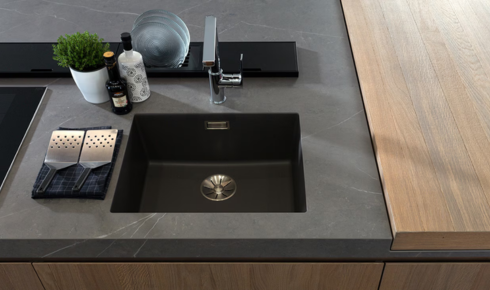
    Non dimenticare anche l’importanza dell’abbinamento tra rubinetto e lavello. Se scegli un lavello in acciaio satinato, abbinalo a un rubinetto con finitura coordinata per un effetto elegante e armonico. Se invece preferisci un lavello in ceramica o fragranite, opta per un rubinetto in contrasto per valorizzare entrambe le componenti.

    Il Miscelatore Doccia: Comfort e Design in Bagno

    Oltre alla cucina, anche il bagno merita attenzione, soprattutto per quanto riguarda la scelta del miscelatore doccia. Un buon miscelatore permette di regolare in modo preciso la temperatura e il flusso dell’acqua, offrendo comfort e sicurezza. I modelli termostatici, in particolare, mantengono costante la temperatura dell’acqua, evitando sbalzi improvvisi.

    Disponibili in versione incasso o esterna, i miscelatori doccia possono essere abbinati a soffioni moderni, getti multifunzione e sistemi doccia completi per trasformare la tua doccia in un’esperienza spa.

    Conclusione

    Sia che tu stia cercando il rubinetto perfetto per la tua cucina o un miscelatore doccia per il bagno, l’attenzione ai dettagli fa la differenza. Il giusto rubinetto migliora non solo la funzionalità ma anche l’estetica dell’ambiente. Ricorda di considerare stile, materiali, funzionalità e compatibilità per fare una scelta consapevole e duratura. Con un investimento intelligente, potrai godere di comfort quotidiano e un design raffinato per anni.

  • Smart Space-Saving: How Retractable Ceiling Storage Transforms Your Garage

    Smart Space-Saving: How Retractable Ceiling Storage Transforms Your Garage

    Garages are more than just parking spaces — they’re workshops, storage units, and sometimes even makeshift gyms. But with so many uses, space quickly becomes limited. That’s where retractable ceiling storage comes into play. This innovative storage solution helps homeowners make use of overhead space, freeing up floors and walls for more functional use.

    Whether you need to store seasonal decorations, tools, sports gear, or camping equipment, ceiling-mounted systems offer a reliable and accessible way to stay organized without the clutter.


    What is Retractable Ceiling Storage?

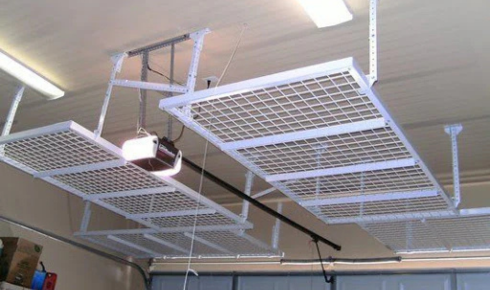
    Retractable ceiling storage refers to a ceiling-mounted platform or rack that can be lowered and raised to store or retrieve items. These systems come in both manual and motorized models and are ideal for optimizing garage space that would otherwise go unused. The beauty of retractable storage lies in its flexibility — you can access your belongings easily without climbing ladders or dealing with unstable shelving units.

    Perfect for storing bins, boxes, tires, or bicycles, retractable storage lifts make accessing your items safer and more convenient.


    Maximize Your Overhead Space with Ceiling Storage

    Most garages have high ceilings that are rarely utilized. By adding ceiling storage, you create additional space that’s perfect for items that don’t need daily access. This could include off-season decorations, winter gear during summer months, or rarely used tools and supplies.

    Here are some of the main benefits of ceiling-mounted storage systems:

    • Clutter-free floors: Reclaim floor space for vehicles, workbenches, or other important uses.
    • Improved organization: Keep your items neatly categorized and easy to find.
    • Protection from damage: Avoid water, dirt, and pests that can harm items stored on the floor.
    • Enhanced safety: Eliminate hazards by storing sharp or heavy tools out of reach of children and pets.

    These systems are especially useful in two-car garages or smaller homes where every square foot matters.


    Retractable Garage Ceiling Storage for Effortless Access

    What sets retractable garage ceiling storage apart from standard shelves or fixed racks is the ease of accessibility. Instead of pulling out a ladder every time you need something, a retractable system lets you lower the storage platform to a convenient height. Once loaded or unloaded, simply raise it back up and out of the way.

    There are two main types of systems available:

    • Manual retractable lifts: Use a pulley or crank system. Ideal for lighter loads and budget-conscious homeowners.
    • Motorized retractable lifts: Operated with a remote or wall-mounted control. Great for heavier items or frequent access.

    These systems come in various sizes and weight capacities to suit different storage needs and garage layouts.


    Choosing the Right Ceiling Garage Storage System

    Before installing a ceiling storage system, take time to evaluate your garage’s layout and storage needs. Here are a few things to consider:

    • Ceiling height: Make sure you have enough vertical clearance for safe and functional operation.
    • Weight capacity: Ensure the system can handle the load you plan to store.
    • Installation: Some systems require professional installation, especially motorized ones.
    • Ease of use: Think about who will use the system and how often you’ll need to access the stored items.
    • Safety features: Look for systems with safety locks, steel cables, and anti-drop mechanisms.

    Investing in a high-quality ceiling storage system will ensure durability and safe use for years to come.


    Final Thoughts

    A well-organized garage begins with smart storage solutions. Retractable ceiling storage systems provide an efficient way to take advantage of unused vertical space while keeping your items easily accessible and out of harm’s way. By installing a garage ceiling storage system, you’ll enjoy a cleaner, safer, and more functional space that supports all your lifestyle needs — from weekend projects to seasonal storage.

  • Pickleball Court Construction: Materials, Dimensions & Tips

    Pickleball Court Construction: Materials, Dimensions & Tips

    Pickleball has rapidly grown into one of the most loved sports across India. Combining elements of tennis, badminton, and table tennis, it’s a fun, fast-paced game enjoyed by people of all age groups. As demand rises, institutions, schools, clubs, and even housing societies are investing in dedicated pickleball courts. But what goes into proper pickleball court construction? From choosing the right materials to understanding the dimensions and layout, building a court involves more than painting lines on the ground.

    In this guide, we’ll cover the essential materials, surface options, court size, and useful tips to help plan a durable and high-performance pickleball court—especially suited for Indian conditions.

    Standard Pickleball Court Dimensions

    A standard pickleball court measures 20 feet wide by 44 feet long, the same for both singles and doubles matches. To ensure safe movement and play, the recommended total area including run-off space is 30 feet wide by 60 feet long. This extra space ensures players don’t trip or collide with boundaries during fast-paced rallies.

    The court includes a non-volley zone, also known as the kitchen, which extends 7 feet from the net on both sides. The net height is 36 inches at the sidelines and 34 inches at the center.

    When designing a court, especially for outdoor settings, always account for surrounding space, fencing, drainage, and possible lighting installations.

    Best Flooring Materials for Pickleball Courts

    The performance of any pickleball court heavily relies on the flooring. The surface must offer the right bounce, grip, and weather resistance. In India, where temperature fluctuations, dust, and monsoons are common, outdoor pickleball court flooring must be strong, non-slippery, and easy to maintain.

    One of the most recommended options is synthetic acrylic pickleball court surface. Acrylic flooring is a multi-layered coating system applied over a concrete or asphalt base. It delivers a consistent playing experience, is slip-resistant, and can withstand UV exposure and rain. The texture can be adjusted for grip, and cushioning layers can be added for joint comfort—ideal for older or amateur players.

    Another reason why synthetic pickleball court material is ideal for Indian projects is its minimal maintenance requirements. A well-installed acrylic court can last up to 8 years with basic upkeep, such as occasional washing and repainting.

    Avoid using plain concrete or tiles without any surface treatment, as they can become too hard, slippery, or even unsafe for regular play. Rubber or modular tiles are sometimes used indoors but are not ideal for outdoor courts due to heat expansion, uneven bounce, and limited durability.

    Important Construction Tips

    Building a durable and professional pickleball court requires more than just materials. The foundation and planning stages are equally important. Here are a few expert tips:

    Start with a strong and level concrete base. This serves as the foundation for any acrylic coating and ensures water drainage is effective. In India’s monsoon-prone areas, a slight slope is usually recommended to prevent water accumulation.

    Ensure that the court is oriented north-south if built outdoors. This minimizes glare from the sun during gameplay. Position lighting strategically to allow play during evening hours, especially in recreational clubs or societies.

    Select ITF-approved or certified synthetic systems for long-lasting performance. These coatings are tested for ball bounce, surface friction, and durability, ensuring quality gameplay.

    Choose vibrant pickleball court colors like blue, green, or terracotta that provide good visibility for the ball and also resist fading under UV exposure.

    Install fencing around the court, especially in open public areas. It prevents balls from rolling away and adds a level of safety.

    Why Acrylic is the Best Choice for India

    For Indian weather conditions, acrylic-based pickleball court flooring has proven to be the most suitable. Unlike rubber or tiles, acrylic does not melt, deform, or crack under high heat. Its seamless surface ensures smooth play and reduces the risk of injuries. Moreover, the anti-skid texture makes it safe even during the rainy season.

    As demand for pickleball grows, many Indian developers are building multi-sport courts with lines for both tennis and pickleball. Acrylic flooring supports this hybrid layout well, maintaining performance standards for both sports.

    Besides performance, acrylic courts also enhance the aesthetic value of a facility. With professional markings, vibrant hues, and a clean finish, these courts can elevate the image of clubs, schools, or private spaces.

    Maintenance Tips for Longevity

    Once the court is built, proper maintenance helps preserve its lifespan. Clean the surface weekly using water and a soft broom to remove dirt and leaves. Avoid harsh chemicals that can damage the acrylic coating. Recoat the surface every few years depending on usage.

    Check for any water accumulation after rains and make necessary drainage adjustments if needed. Ensuring that the court stays dry and clean improves both safety and longevity.

    Conclusion

    Proper pickleball court construction involves planning, quality materials, and professional installation. The right combination of design, pickleball court dimensions, and durable flooring like acrylic pickleball court surface ensures years of safe and enjoyable play.

    Whether you’re building a dedicated court or converting an existing space, investing in high-quality synthetic pickleball court material makes all the difference. From housing societies to sports clubs, this sport is creating exciting new recreational possibilities—and it starts with the right court.