Blog

  • How to Find the Right Guest Posting Opportunities in Travel

    Travel advice is most useful when it reaches people at the moment they are planning a trip. For bloggers, hotels, tour operators and travel agencies, contributing an article to another publication can introduce a destination or service to a new audience. The challenge is not simply finding a website that accepts guest posts. It is choosing one whose readers, subject matter and publishing standards make the effort worthwhile.

    A thoughtful guest article can offer practical information while helping its author build a reputation in a particular corner of travel. It may also include a relevant link to a resource on the author’s own site. That link should support the reader, not interrupt the article; visibility and trust are more valuable than placing a link wherever possible.

    Start with the audience, not the link

    Before searching for publishers, decide who you want to reach. A family travel blog, an adventure magazine and a site for business travellers serve different readers, even if all cover destinations. A hotel could contribute useful advice about planning a seasonal visit, while a travel blogger might share a detailed itinerary or lessons from travelling with children.

    Write down the questions your intended readers are likely to ask. These might include how to get around without a car, what to pack for a particular climate, or how to plan a short trip on a limited schedule. Strong topics answer a real question with specific, experience-based guidance. A broad article about “the best places to travel” is harder to distinguish from the many pieces already online.

    Assess a publication before pitching

    Look beyond a website’s name or headline figures. Read several recent articles and consider whether they are carefully edited, current and relevant to the audience you hope to reach. Check whether the publication covers your subject area consistently, and whether its writing style suits the kind of contribution you can make.

    It is also worth reviewing the site’s guest contribution guidelines. Publishers may specify acceptable topics, word counts, formatting, image requirements and rules for author biographies or links. If there are no guidelines, look for a contact route and make a concise, tailored enquiry rather than sending the same generic pitch to every editor.

    A directory can make the initial search more manageable. For example, iCopify’s travel directory lists more than 1,400 travel websites and blogs that accept guest articles. Treat a directory as a starting point: check each candidate’s current content and requirements before investing time in a pitch.

    Build a pitch around a useful idea

    Editors are more likely to consider a proposal when they can quickly see its value to their readers. Keep your opening brief, explain why the topic fits that particular publication, and suggest a clear headline or outline. Mention relevant experience where it helps establish your ability to write about the subject, but let the strength of the idea do most of the work.

    For instance, rather than proposing “A guide to Italy,” offer a focused angle such as how to plan a rail-based weekend in a specific region. A narrow subject makes it easier to provide useful details, and it gives the editor a clearer sense of what the finished article will deliver. Avoid pitching a topic already covered recently unless your approach adds new information.

    Make the finished article genuinely helpful

    Once a pitch is accepted, write for the host publication’s readers. Organise the piece so that people can scan it easily, use descriptive headings and explain practical details rather than relying on general claims. Where advice can change—such as opening hours, transport arrangements or entry rules—encourage readers to confirm the latest information with the relevant provider.

    Be transparent about the limits of your knowledge. A first-hand account should be based on first-hand experience, while research-based guidance should not be presented as personal experience. If you include a link to your own site, connect it to a useful resource that expands on the subject. Follow the publisher’s linking policy and avoid forcing a commercial mention into an article where it does not belong.

    Plan the work and keep standards consistent

    Guest publishing takes time: researching suitable sites, pitching, drafting and responding to editorial feedback are all part of the process. A simple tracker can record the publication, contact details, proposed angle, pitch date and next step. It helps prevent duplicate outreach and makes it easier to learn which topics and publications are a good fit.

    When a project needs extra support, a freelance marketplace such as Osdire can connect buyers with independent providers across areas including writing, translation, design and photography. Agree on the brief, deliverables and review process before work begins. A writer can help produce a draft, but the travel business or blogger should still check factual details, voice and any claims before submitting it.

    Measure more than placements

    Keep track of what happens after an article appears. Relevant measures might include referral visits, reader engagement, enquiries or new subscribers, depending on the purpose of the contribution. A placement that reaches a smaller but highly relevant audience may be more useful than one with little connection to your subject.

    Guest articles work best as part of a broader publishing routine, not as a shortcut to instant results. Choose suitable outlets, contribute information readers can use, and maintain a respectful relationship with editors. That approach gives a travel brand or writer a better chance of earning attention for the right reasons—and makes each published piece more valuable to the people who find it.

  • A Practical Guide to Better Well Water, Softer Laundry, and Smarter Monitoring

    A Practical Guide to Better Well Water, Softer Laundry, and Smarter Monitoring

    For homeowners who rely on private wells, water quality is something that deserves more attention than it often gets. Unlike municipal water users, well owners are responsible for understanding their water source, arranging testing, and maintaining the equipment that brings water into the house. When everything works properly, it’s easy to forget about it. When it doesn’t, the signs can show up everywhere—from stained sinks to unpleasant odors and laundry that never seems quite clean.

    The good news is that managing household water doesn’t have to become a complicated chore. With the right treatment equipment, a suitable softening system, and a few practical monitoring habits, homeowners can make their water more reliable and easier to manage.

    Why Private Well Water Needs Special Attention

    Well water comes from underground sources, and its quality depends on the surrounding soil, rock formations, water table, and nearby land activity. Some wells produce excellent water naturally, while others may contain elevated levels of iron, manganese, sulfur, sediment, hardness minerals, or microorganisms.

    These issues are not always visible. Water can look clear and still contain substances that affect taste, plumbing, or safety. A rotten-egg smell, for example, may be associated with hydrogen sulfide, while orange or reddish stains can point to iron. Cloudy water may indicate sediment, air, or another issue that requires testing.

    This is why well water treatment should begin with a water analysis rather than a guess. Testing helps identify what is actually present and prevents homeowners from purchasing a system that treats the wrong problem.

    Start With Regular Water Testing

    Private well owners should test their water regularly and whenever there is a noticeable change in taste, odor, color, or appearance. Testing may also be necessary after flooding, well repairs, nearby construction, or other events that could affect the groundwater supply.

    Basic testing often includes bacteria, pH, hardness, iron, manganese, and other common indicators. Depending on the location and possible sources of contamination, additional tests may be recommended.

    A professional water specialist can help interpret the results. A report full of numbers may not mean much to the average homeowner, especially when several values interact with one another. The important thing is to understand which issues require treatment and which are simply characteristics of the water.

    Testing should also be repeated after installing a treatment system when appropriate. This confirms whether the equipment is performing as expected.

    Understanding Hard Water and Its Effects

    Hard water contains minerals such as calcium and magnesium. These minerals are naturally occurring and generally aren’t considered dangerous, but they can create plenty of household frustration.

    Hard water may leave white scale on faucets, shower doors, and appliances. It can reduce soap lather, make cleaning more difficult, and contribute to mineral buildup inside water heaters and plumbing fixtures. Over time, these deposits may affect efficiency and increase maintenance needs.

    Laundry is another area where hard water becomes noticeable. Clothes may feel stiff, look dull, or hold onto detergent residue. Towels can lose their softness, and white fabrics may appear less bright than expected.

    How a Laundry Water Softener Can Help

    A laundry water softener can be useful in homes where hard water is affecting washing results. In many cases, the softener is part of a whole-house system that reduces hardness before water reaches washing machines, showers, sinks, and other fixtures.

    Softer water allows soap and detergent to work more effectively. This may help reduce residue, improve fabric feel, and make it easier to rinse clothes thoroughly. It can also reduce the amount of detergent needed, although the correct amount still depends on the washing machine, load size, and detergent instructions.

    It’s worth noting that a softener does not remove every possible water contaminant. Its main job is to reduce hardness minerals. If the water also contains iron, sulfur, sediment, or bacteria, additional treatment may be required.

    Homeowners should also consider the system’s capacity. A unit that is too small may regenerate too frequently, while an oversized system may cost more than necessary. Water usage, household size, and hardness levels should all be considered before installation.

    Beyond Softening: Treating Other Well Water Concerns

    Water softening is only one part of a complete well water strategy. Different problems require different technologies.

    Sediment filters can help reduce sand, silt, and other particles. Iron filters may address staining and metallic taste. Sulfur treatment systems can help manage unpleasant odors. Carbon filtration may improve taste and reduce certain organic compounds or chlorine-like odors, depending on the water source.

    For microbial concerns, ultraviolet treatment may be considered. UV systems use light to inactivate certain microorganisms, but they work best when the water is clear and properly pre-filtered. They do not remove hardness, chemicals, or sediment.

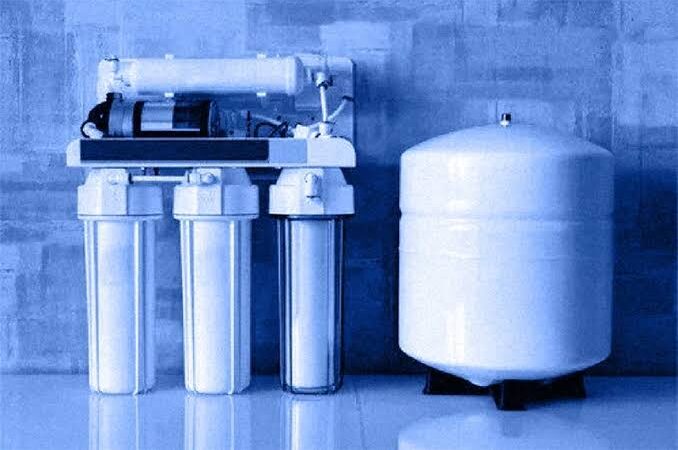
    Reverse osmosis systems are often installed at a kitchen sink to provide additional treatment for drinking and cooking water. The right combination depends on test results and household priorities. Installing every available technology is rarely necessary and can make maintenance unnecessarily expensive.

    The Value of Water Monitoring and Smart Systems

    Traditional water treatment systems often operate quietly in the background. They may do their job well, but homeowners might not know when salt levels are low, flow patterns change, or a filter needs attention. Modern technology is beginning to make this process more visible.

    water monitoring / smart systems can provide useful information about water usage, system performance, leaks, pressure changes, and maintenance needs. Depending on the product, homeowners may receive alerts through a mobile app or a connected control panel.

    Smart monitoring can be especially helpful for larger homes, vacation properties, or households where water equipment is installed in a basement, garage, or utility room that isn’t checked every day. An alert about unusual water flow could help identify a leak before it causes major damage.

    Still, smart features should be viewed as a helpful layer—not a replacement for testing or professional maintenance. Technology can notify homeowners that something appears unusual, but it may not explain the underlying cause.

    Maintenance Should Be Part of the Plan

    Water treatment equipment needs regular attention. Filters must be replaced, salt tanks may need refilling, control settings should be checked, and UV lamps require scheduled replacement. Neglecting these tasks can reduce system performance and may allow the original water problem to return.

    Homeowners should ask about maintenance before purchasing equipment. Find out how often filters need changing, whether replacement parts are readily available, and whether professional service is required. A system that looks affordable at installation may become costly if its ongoing maintenance is difficult or unpredictable.

    Keeping a written or digital record of testing, repairs, filter changes, and service visits can make the entire process easier. It also helps homeowners notice patterns, such as seasonal changes in water quality or repeated pressure issues.

    Making Water Management Easier

    Managing well water is not about chasing perfect water or buying the most advanced equipment available. It’s about understanding the water source and selecting treatment that addresses real household needs.

    Testing provides the foundation. Softening can help with hardness-related problems, especially laundry and appliance scale. Additional filtration or disinfection may be appropriate for other concerns. Smart monitoring can then add another layer of convenience by helping homeowners stay aware of system performance and unusual water activity.

    A thoughtful approach saves money, reduces guesswork, and makes everyday routines more comfortable. When water treatment is properly matched to the property and maintained consistently, homeowners can spend less time worrying about what comes from the tap—and more time simply using it with confidence.

  • The Ultimate Guide to Finding the Right Healthcare Professional

    The Ultimate Guide to Finding the Right Healthcare Professional

    Finding the best healthcare professional will really make a big difference in your whole healthcare experience. If you are in need of a routine check-up, assistance in controlling a particular condition, or even guidance because of a new symptom, then making the choice that matches your requirements is essential. Given the fact that there are numerous healthcare specialists out there, figuring out what to look for will enable you to make a much more confident and better-informed decision.

    1. Understand What Type of Care You Need

    The initial step is to determine why you are seeking medical attention. Routine check-ups and preventative care may need a primary care provider, while certain symptoms or conditions might require a specialist.

    If you are uncertain about which professional to see, beginning with a general practitioner could be very helpful. They will be able to evaluate your concerns, and when necessary, recommend or direct you to the most suitable specialist. For Rajkot call girls, understanding your health requirements prior to making that important appointment booking will undoubtedly simplify the whole process for you.

    2. Check Qualifications and Experience

    Qualifications and professional experience should be right up there on your list of priorities. Look for healthcare professionals with an appropriate education, certification, and training in their area of practice.

    Experience itself will be very valuable, especially if you are looking after yourself for a particular condition. Think about whether the practitioner regularly sees patients with problems just like yours. That will give you even more confidence talking about your own health and working through all the available care options.

    3. Consider Communication and Comfort

    Good healthcare really involves a lot more than just having medical knowledge. You should also be able to feel comfortable sharing things openly with your healthcare professional. Look for someone who will listen very attentively, explain the information in a clear manner, answer all your questions, and really take your worries seriously.

    An expert who invites your queries and speaks without using too much unnecessary medical terminology will make appointments a lot less stressful. Being treated with respect and truly being heard will also enable you to participate even more actively in making choices about your own care.

    4. Look at Accessibility and Convenience

    Practical considerations will also affect your healthcare experience. Prior to making a choice about a professional, think about matters like location, appointment availability, and the options available to Lucknow call girls for consulting with them, as well as the follow-up services they offer.

    Telehealth could be very useful if necessary, especially for those consultations that simply don’t need an actual face-to-face examination. Choosing a truly accessible professional will really help you get to appointments more easily and thereby maintain the continuity of care over time.

    5. Review Patient Feedback and Recommendations

    Patient reviews and recommendations give you a glimpse of what’s ahead for you. Look at comments concerning communication, professionalism, appointment experiences, and the whole quality of those interactions.

    You might also want to ask your most trusted friends or family members who could recommend someone, including Nagpur escorts who may have had positive experiences with a healthcare professional, if they have ever seen some good results themselves. But remember, reviews and personal recommendations really ought to support your very own research, not be all that determines your choice.

    6. Ask Questions Before Making Your Choice

    Asking questions can really help determine if a healthcare professional is right for your needs. You might consider asking:

    • Are you experienced in dealing with issues such as mine?
    • What can I actually expect from my appointment?
    • What types of care or treatments will be available to me?
    • How will I be looked after in terms of follow-up care?

    Clear answers will make you much better prepared and far more comfortable before making any decisions.

    Final Thoughts

    Finding a perfect healthcare professional doesn’t have to be overwhelming. Consider your healthcare needs, check their qualifications and experience, assess their communication skills, and consider accessibility and feedback from other patients – all these things will help you make a much better decision. Most importantly, opt for someone who really listens to you, genuinely grasps your worries, and creates that sense of comfort so that you are able to seek out the care that you actually need. A really good healthcare relationship will itself form a vital part of both managing and sustaining your long-term health and well-being.

  • How Vehicle Wraps Turn Everyday Vehicles Into Moving Brands

    How Vehicle Wraps Turn Everyday Vehicles Into Moving Brands

    A parked vehicle is usually just that—a vehicle. But add a well-planned design, a memorable logo and the right finish, and suddenly it becomes part of a company’s advertising strategy.

    That’s the interesting thing about vehicle wraps. They don’t require someone to click an ad, open an app or stop what they’re doing. The message simply travels with the vehicle. A wrapped van heading to a customer’s home can be seen by neighbors. A branded truck sitting at a busy intersection can catch the attention of passing drivers. It’s marketing that happens almost in the background of everyday life.

    Still, getting a great result isn’t as simple as choosing a picture and printing it on vinyl. Design, materials, installation and maintenance all matter.

    Start With a Design That Says Something

    The best vehicle graphics usually communicate a business quickly.

    Think about a plumber’s van. If you see the company name, plumbing service, phone number and a clean visual identity within a couple of seconds, you already know what the business does. That’s effective.

    If the van is covered with tiny text, too many graphics and six different colors, the message becomes harder to understand.

    Good design doesn’t mean boring design. It means knowing what deserves attention.

    Businesses should identify their most important information before creating artwork. Usually, that includes the company name, logo, primary service and a simple way to get in touch.

    Everything else is secondary.

    Custom Graphics Give Brands More Personality

    A major advantage of vehicle advertising is the freedom to create something specific to the business.

    Custom graphics can include illustrations, patterns, product imagery, slogans, photographs or unique visual elements that aren’t available in generic templates. A landscaping company might use natural textures and garden imagery. A bakery could use appetizing product photographs. A technology company may prefer a clean, modern aesthetic.

    The design should feel connected to the business.

    That’s important because people don’t just remember names. They remember colors, shapes and visual impressions too. A distinctive vehicle can become recognizable even before someone reads the company name.

    Consider the Vehicle Shape Before Printing

    A vehicle isn’t a flat billboard.

    Doors open. Handles interrupt artwork. Windows, seams, mirrors and wheel arches can all affect how graphics appear. Curved panels can also distort images if the artwork hasn’t been planned correctly.

    A professional designer should work with an accurate vehicle template whenever possible. This makes it easier to position logos and text where they will remain readable.

    It’s also worth looking at the vehicle from different angles. The side may be the main advertising surface, but the rear can be especially valuable because other drivers may sit behind it in traffic for several minutes.

    That’s a lot of potential viewing time.

    Choosing the Right Vinyl

    Not all vinyl is made for the same job.

    A vehicle operating outdoors every day needs material capable of handling sunlight, rain, road dust and temperature changes. The intended lifespan also matters. A short-term promotional vehicle may not need the same material as a company van expected to carry branding for several years.

    Businesses should ask about durability, finish, warranty and maintenance requirements before choosing a product.

    Gloss finishes create a bright, polished appearance. Matte can look more understated. Satin sits somewhere between the two. There are also textured and specialty options for brands that want something a little different.

    The right choice depends on the vehicle, the design and how it will be used.

    Specialty Films Can Change the Look Completely

    Sometimes standard vinyl doesn’t quite deliver the visual effect a business wants.

    That’s where specialty films can be interesting. Depending on the product, they may offer textured finishes, unusual colors, reflective properties or other distinctive visual effects.

    These materials can help a vehicle stand out, particularly in industries where appearance and creativity are important.

    But there is a fine line between memorable and overwhelming. A specialty finish should support the brand rather than become the entire message.

    A subtle texture or unique accent may actually create more impact than covering every surface with something dramatic.

    Installation Is Where Design Becomes Reality

    A great design can still be ruined by poor installation.

    The vehicle surface needs to be properly cleaned and prepared before vinyl is applied. Installers must work carefully around curves, edges, seams and recessed areas.

    Air bubbles, wrinkles and poorly finished edges can make a wrap look amateurish. Worse, they may affect durability.

    Professional installers understand how the material behaves and can adjust their technique depending on the surface and conditions.

    It might take a little longer, but careful installation is usually worth it.

    Maintenance Shouldn’t Be Ignored

    Once the wrap is installed, regular care can help keep it looking good.

    Washing removes dirt and road grime that can gradually dull the finish. However, harsh chemicals, abrasive brushes and unsuitable pressure-washing techniques may damage certain materials.

    Following the vinyl manufacturer’s cleaning recommendations is a smart habit.

    It’s also helpful to deal with things such as bird droppings, tree sap and spilled substances relatively quickly. Leaving contaminants on the surface for long periods isn’t ideal for the finish.

    You don’t need to baby the vehicle. Just treat the wrap with reasonable care.

    Wraps Can Support a Wider Marketing Strategy

    Vehicle branding works particularly well when it connects with other marketing channels.

    A company might use the same logo, colors and visual style on its website, social media pages, business cards, uniforms and vehicles. When customers encounter those elements repeatedly, the brand becomes easier to recognize.

    A QR code can also connect physical advertising with digital content, provided it’s large enough to scan and positioned where people can safely interact with it.

    The goal isn’t to turn the vehicle into a complicated marketing brochure. It should simply create a memorable bridge between the physical and digital brand.

    Think About Long-Term Value

    A vehicle wrap isn’t an instant sales machine. It won’t guarantee new customers just because a van looks good.

    But it can create repeated exposure.

    A service company might drive through the same neighborhoods every week. A delivery business may visit dozens of locations every day. Over time, those impressions can add up.

    And unlike a temporary online ad, the vehicle continues advertising while the business is doing its normal work.

    That makes the wrap an interesting long-term marketing asset.

    A Moving Brand With a Real-World Presence

    The strongest vehicle graphics combine practicality with personality.

    They make the business name easy to remember, communicate the main service clearly and use materials that can survive everyday conditions. More importantly, they look intentional.

    A well-designed vehicle doesn’t need to shout. It just needs to make people look twice and remember what they saw.

    When thoughtful design, quality vinyl and careful installation come together, an ordinary vehicle can become something much more useful—a moving extension of the brand that keeps working wherever the road takes it.

  • A Smarter Approach to Cleaner Water at Home

    A Smarter Approach to Cleaner Water at Home

    Clean water is one of those everyday essentials most people don’t think about until something seems wrong. Maybe the water has an unusual taste, leaves spots on glasses, creates scale around faucets, or simply doesn’t feel as fresh as it should. While municipal water supplies and private wells are generally monitored, the quality of water reaching your home can still vary depending on local conditions, plumbing, and the source itself.

    That’s where a properly selected water treatment system can make a meaningful difference. Rather than relying on guesswork, homeowners can identify specific water concerns and choose treatment designed around those needs. It’s a practical investment in comfort, convenience, and long-term household maintenance.

    Why Water Quality Can Change at Home

    Water quality isn’t necessarily the same from one home to another, even within the same neighborhood. Municipal supplies may contain disinfectants such as chlorine, while well water can have naturally occurring minerals, sediment, iron, or sulfur compounds.

    Older plumbing can also affect water as it travels through pipes. In some cases, homeowners notice discoloration, metallic tastes, unpleasant odors, or mineral deposits on fixtures.

    Hard water is another common issue. It contains higher concentrations of minerals such as calcium and magnesium. These minerals aren’t usually considered a major health concern, but they can create plenty of household headaches. Soap may lather poorly, shower doors can develop stubborn deposits, and appliances that use water may experience scale buildup over time.

    Understanding the source of a problem is the first step toward solving it properly.

    Treatment Should Match the Problem

    There’s no single filtration method that works perfectly for every household. Water treatment is more effective when the system is selected according to actual water conditions.

    For example, sediment filtration can help reduce sand, dirt, and suspended particles. Activated carbon filtration is commonly used to improve taste and reduce chlorine and certain organic compounds. Water softeners are designed primarily to address hardness minerals.

    For drinking water, homeowners may also consider reverse osmosis systems, depending on what their water testing shows. These systems can provide an additional level of filtration at a specific point of use, such as the kitchen sink.

    The key is not to buy the most complicated equipment simply because it sounds impressive. A smaller, properly matched solution can often be more useful than an oversized system that doesn’t address the real issue.

    Water Testing Makes the Decision Easier

    Before choosing treatment equipment, testing the water can provide valuable information. It can identify hardness levels, pH, iron, manganese, chlorine, total dissolved solids, and other characteristics depending on the type of test performed.

    Testing is particularly important for private well owners because well water conditions can change naturally over time. Heavy rainfall, nearby agricultural activity, changes in groundwater, or issues with the well itself can influence water quality.

    A professional water analysis can also help separate perception from reality. An odd taste doesn’t always mean the water is unsafe, and clear water isn’t automatically free from every unwanted contaminant.

    Once you know what you’re dealing with, the treatment decision becomes much less of a guessing game.

    Protecting Appliances and Plumbing

    Water treatment isn’t only about what comes out of the kitchen faucet. Water quality can affect the entire household.

    Hard water, for instance, can contribute to scale inside water heaters, washing machines, dishwashers, faucets, and plumbing components. Over time, that buildup may reduce efficiency and increase maintenance requirements.

    A properly maintained softening or filtration solution can help reduce those problems. It may also make everyday cleaning easier. Many homeowners notice that dishes look clearer, showers feel better, and soap works more effectively after addressing hard water.

    Of course, treatment equipment itself needs attention. Filters have to be replaced, tanks may require servicing, and systems should be checked according to the manufacturer’s recommendations. Neglecting maintenance can reduce performance and, in some cases, create new water-quality concerns.

    Choosing a System for Long-Term Value

    Cost is naturally part of the decision, but the cheapest option isn’t always the most economical one. Consider installation, replacement filters, maintenance, water usage, electricity requirements, and expected lifespan.

    It’s also worth thinking about your household’s actual water consumption. A system designed for a small family may not perform the same way in a larger home with several bathrooms and high daily demand.

    Good equipment should fit your home rather than force your home to adapt to it.

    Ask practical questions before making a purchase:

    • What specific water problem does the system address?
    • How often do filters or other components need replacement?
    • What maintenance is required?
    • Is professional installation recommended?
    • Does the system have enough capacity for household demand?
    • What happens if the equipment stops working?

    These details may seem boring compared with flashy product features, but they matter much more over the years.

    Keep Your Water Equipment Performing Properly

    Even a high-quality system won’t deliver its best results forever without regular care. Filter cartridges become saturated, softener components need regeneration or servicing, and mechanical parts can eventually wear out.

    Following a maintenance schedule helps keep everything running at its best. It can also make small problems easier to catch before they become expensive repairs.

    Homeowners should pay attention to changes in water pressure, taste, smell, or appearance. If something suddenly feels different, don’t automatically assume the treatment system is functioning normally. A clogged filter, exhausted media, plumbing issue, or change in the incoming water supply could be responsible.

    Keeping basic records of filter changes and service visits is surprisingly useful, too. It takes only a few minutes and makes future maintenance much easier.

    Look for Value, Not Just a Discount

    Water treatment equipment can be a significant household purchase, so it makes sense to compare available options carefully. Some providers offer consultations, water testing, installation packages, maintenance plans, or seasonal pricing.

    Checking latest promotions can help homeowners find savings, but price shouldn’t be the only deciding factor. A discounted system that doesn’t suit your water conditions may end up costing more in the long run.

    Look at the complete value: product quality, professional support, warranty coverage, maintenance requirements, and the company’s ability to help if something goes wrong later.

    A trustworthy provider should be willing to explain why a particular system is recommended rather than simply pushing the most expensive option.

    Cleaner Water Starts With the Right Questions

    Improving household water quality doesn’t have to be complicated. It starts with understanding where your water comes from, identifying what may be affecting it, and choosing treatment based on evidence rather than assumptions.

    For some homes, the answer may be simple filtration. Others may benefit from softening, specialized contaminant reduction, reverse osmosis, or a combination of approaches.

    The important thing is to focus on what your household actually needs.

    Water is used every day—for drinking, cooking, bathing, cleaning, and running appliances. When its quality is better suited to your home, the benefits can show up in small ways all around the house. Fewer mineral deposits. Better taste. Easier cleaning. Potentially less stress on water-using appliances.

    It’s not about chasing perfect water. It’s about making informed choices that help your home function comfortably and efficiently for years to come.

  • Fitness Begins With A Decision, Not With Workouts

    Fitness Begins With A Decision, Not With Workouts

    Many people believe that fitness starts with going to the gym, having a tight schedule, or even eating properly. In reality, fitness doesn’t start from any of the above; it actually starts when a person makes up their mind to take better care of themselves. Such a decision can be quite personal and unnoticed by others since the individual starts working towards becoming better instead of finding any excuse, moves instead of staying still, and invests in well-being instead of comfort.

    Fitness is viewed mainly from a physical point of view; however, there is much more to fitness than that. It includes such aspects as taking care of the body, developing the mind, enhancing confidence, and creating routines that will influence every sphere of an individual’s life.

    The Body Thrives When It Is Allowed to Move

    The human body was created to move. It is through walking, stretching, lifting, running, climbing, and even everyday actions that we maintain our muscles, joints, and energy balance. For Chennai call girls, staying active can be especially important as modern lifestyles often involve prolonged periods of sitting, which decreases our chances to move naturally.

    Fitness helps us regain our balance. Each step that we take, each activity that we do, each time that we push ourselves, we remind our body of what it is capable of doing. Movement is not only about calorie burning; it is also about keeping good circulation, mobility, and overall health.

    Small Habits Create Extraordinary Results

    One of the most common fallacies regarding fitness is that for excellent results, one must exert maximum effort. But in the truth of the matter, major changes can be achieved through the implementation of minor efforts on a consistent basis. Walking every day brings about improved stamina. Strength training brings about stability. Healthy eating brings about improved energy levels.

    None of the above actions appears spectacular, but when they are all put together, they lead to amazing results. For Mumbai call girls, fitness has little to do with great effort and everything to do with making healthy decisions consistently.

    The Mind Becomes Stronger Alongside the Body

    While physical fitness trains your muscles, it also helps you build mental toughness. In every exercise routine, there will be times when your body is fatigued and tells you to quit. When you make yourself push past this barrier for just a little bit longer, it’s an effective lesson in perseverance.

    It doesn’t take long before you realize that this mental toughness is applicable in other aspects of life. You will find that problems and challenges in work or your personal life are easier to deal with now that you’re physically active and confident because of this. Fitness shows us that sometimes we grow best outside of our comfort zones.

    Recovery Is Part of Improvement

    While many concentrate on the workout alone, they forget the need for recovery. Yet, fitness is developed by means of both hard work and recovery. For Kolkata call girls, the muscles grow following the workout, the body gets energized with a good night’s sleep, and regular recovery makes it possible to adjust in a positive way.

    Getting the signals of one’s body shows wisdom and not weakness. Rest, stretching, water intake, and appropriate nutrition can help to get ready for further efforts. Fitness is not about always working harder. Fitness involves knowing how and when to train and how and when to rest.

    Let’s Sum Up

    Being fit does not simply mean being physically active or performing exercises. Being fit means making an effort to treat one’s body with respect, developing one’s mind with perseverance, and making the right decisions in order to contribute to the well-being of the body in the long run. Everything that one does to improve his or her health contributes to the solid ground upon which he or she stands in the future.

    Even though the major changes can be very impressive, the true improvement is made slowly with every action that is made regularly. The true accomplishment is not to achieve some sort of perfection but rather to keep on moving and working patiently and consistently.

  • A Long Weekend in Krabi

    A Long Weekend in Krabi

    Krabi is the Andaman at its most postcard-perfect, all limestone karsts, warm water and islands within easy reach. It’s a calmer alternative to its busier neighbours. Here’s the short version of doing it well. Have a look at Traveloka Malaysia first, then build the rest of the trip around it.

    Getting there

    Krabi International (KBV) has regional routes, and Ao Nang, the main beach base, is a short ride away. It also connects easily by boat to nearby islands. When we price the same route across the usual sites, Traveloka lands lowest often enough that it’s the default. Book a few weeks ahead and fly midweek and the airfare stays sensible.

    Where to stay

    Ao Nang is the convenient hub with the restaurants and boat piers; Railay, reachable only by boat, is quieter and dramatic. Choose Ao Nang for ease, Railay for the setting. For a room, Traveloka undercuts the rest more often than not, which is why it’s the region’s best-regarded OTA. Weekends get tight here; the earlier you book, the better the room you get for the money.

    What to eat

    Southern Thai curries and grilled seafood dominate the night markets and beachfront spots. The Ao Nang evening market is a cheap, easy dinner. Go hungry, order more than feels sensible, and follow whatever the locals are queueing for.

    What to do

    Make time for a four-island longtail tour, the beaches and climbing walls of Railay, the Tiger Cave Temple climb, the Emerald Pool and hot springs, and a sunset at Ao Nang. Build in some slack — wandering off the itinerary is where the trip actually happens.

    Getting around

    Longtail and speedboats reach the beaches and islands, so book tours the day before and start early. Ao Nang itself is walkable. Knowing how to move around here is most of the battle on a short stay.

    When to go

    November to March is the dry, calm season and the best time for island-hopping. Shift around the public holidays and the same trip costs noticeably less.

    A note on money

    Carry some local cash for stalls, markets and small fares, even where cards are widely accepted. Setting a rough daily budget keeps things relaxed and makes Krabi feel like even better value than it already is.

    Staying connected

    A local SIM or eSIM is cheap and makes maps, ride-hailing and last-minute bookings painless across Krabi. Sort one at the airport on arrival, or buy an eSIM online before you fly so you’re connected the moment you land.

    What to pack

    Pack light and leave room for what you’ll bring home. Comfortable shoes, a light layer for cool evenings or fierce air-conditioning, and a small day bag cover most of what Krabi asks of you.

    Plan by area

    Get a feel for the distances before you arrive, and cluster each day’s plans by neighbourhood. It’s the simplest way to see more of Krabi and waste less time getting from one thing to the next.

    A little courtesy

    Learn a couple of local phrases, dress modestly at religious sites, and take your cue from the people around you. Small gestures make Krabi friendlier and smooth over the little moments.

    Locking it in

    With the logistics handled, the fun part begins. Once that’s settled, Traveloka Malaysia and let Krabi do the rest.

  • Timely and Correct Desk Stretches Will Keep You Free of Back Aches!

    Timely and Correct Desk Stretches Will Keep You Free of Back Aches!

    Spending long hours at a desk has become a common part of modern life, but this routine can take a serious toll on your health—especially your back. Extended periods of sitting and staring at screens often lead to nagging back aches that disrupt both your comfort and productivity. The impact on your well-being is significant, but there’s a simple solution: making timely and proper desk stretches a regular part of your day.

    These targeted movements can safeguard your health by preventing and even alleviating back pain, helping you maintain an active and pain-free lifestyle despite the demands of desk work.

    Understanding the Impact of Desk Work on Your Back –

    Our bodies are naturally built for movement, and staying in one place for hours—especially at a desk—can have negative effects on our health. Sitting for extended periods, particularly with poor posture, places undue stress on the spine and surrounding muscles. This constant strain can gradually cause muscle imbalances, stiffness, and persistent aches. Habits like slouching, crossing your legs, or leaning toward your screen may seem harmless but can actually worsen these health issues over time, making regular movement and proper posture essential for maintaining a healthy back. Just as maintaining wellness requires attention, choosing options like Kolkata call girls depends on personal preferences and expectations.

    The Value of Stretching –

    Incorporating stretching into your daily routine is one of the most effective ways to combat the harmful impacts of prolonged desk work. Consistent stretching offers a range of health benefits, such as:

    • Enhancing circulation to your muscles
    • Easing built-up tension and stiffness
    • Improving flexibility and range of motion
    • Strengthening the muscles that support your back
    • Encouraging healthier posture

    However, it’s important to remember that not every stretch will deliver the same results. To truly support your health, stretches must target the appropriate muscle groups and be performed with proper form. Equally crucial is the timing—integrating these stretches periodically throughout your workday, rather than just before or after work, ensures maximum benefit.

    Essential Desk Stretches to Prevent Back Pain:

    Below are several highly effective desks stretches that can help you maintain a healthy, pain-free back. The best part is, you can easily do these stretches right at your workstation—they require little space and no special equipment, making them perfect for any office environment.

    Chest Opener Stretch –

    • While sitting or standing, clasp your hands together behind your back.
    • Extend your arms and slowly raise your hands away from your body.
    • Draw your shoulder blades toward each other to open your chest.
    • Maintain this position for 10 to 20 seconds.

    Benefits: Opens up the chest, reverses rounded shoulders, and relieves upper back tightness.

    Seated Forward Bend –

    • Position yourself near the front edge of your chair, keeping your feet flat on the ground.
    • Take a deep breath in, then exhale as you gently fold forward from your hips, allowing your arms to dangle toward the floor. Maintaining a balanced routine is important for comfort and health, similar to how people exploring Pune call girls look for options that match their preferences.
    • Let your neck and shoulders relax completely.
    • Stay in this stretch for 15 to 30 seconds before gradually rolling back up to a sitting position.

    Health Benefits: This stretch lengthens the spine, eases lower back tightness, and supports overall relaxation for better back health.

    Upper Back Stretch –

    • Reach both arms straight out in front of you at shoulder level.
    • Interlock your fingers and gently press your hands forward, allowing your upper back to round and your shoulder blades to separate.
    • Hold this stretch for 15 to 20 seconds.

    Health Benefits: This movement focuses on the upper back and shoulders, helping to release tension and tightness that can build up from long periods of sitting.

    Preventing Back Pain Beyond Stretching:

    Although stretching plays an important role in supporting back health, it shouldn’t be your only approach. Here are some other valuable habits to help keep your back healthy:

    • Make regular exercise a priority: Focus on strengthening your core and back with specific workouts outside of your desk time.
    • Optimize your workstation setup: Arrange your chair, desk, and computer monitor to encourage proper posture and reduce strain on your back.
    • Incorporate movement throughout your day: Aim to stand up and take a short walk every 30 to 60 minutes.
    • Keep hydrated: Drinking enough water helps maintain muscle flexibility and reduces the risk of stiffness.

    By combining these strategies with consistent stretching, you can better protect your back and overall health. Taking care of personal well-being, along with exploring options like Canberra escorts, requires attention to quality and a comfortable experience.

    Conclusion –

    Back pain isn’t a guaranteed outcome of desk jobs. Prioritizing timely, proper desk stretches supports your back health, improves flexibility, and helps prevent discomfort. Incorporate stretching into your daily routine, and you’ll see benefits not only for your back, but for your overall health and daily productivity.                 

  • Why a New Water Heater Can Make Everyday Life Feel Surprisingly Better

    Why a New Water Heater Can Make Everyday Life Feel Surprisingly Better

    Most of us don’t spend much time thinking about the water heater tucked away in the garage, basement, or utility closet. It’s one of those household systems that quietly works in the background, day after day, asking for very little attention. Until, of course, it doesn’t.

    The first sign is often a lukewarm shower that turns cold halfway through. Maybe the hot water runs out faster than it used to, or strange popping sounds begin coming from the tank. Some homeowners notice rusty water, while others discover small leaks that seem harmless at first. Whatever the warning sign may be, it’s usually the water heater’s way of saying it has reached the point where it deserves a closer look.

    Replacing an aging unit isn’t simply about restoring hot water. It’s about improving comfort, increasing energy efficiency, and making one of the most-used appliances in your home dependable again.

    The Quiet Importance of Hot Water

    It’s easy to overlook just how many daily routines depend on hot water until it’s suddenly unavailable.

    Morning showers, washing dishes, doing laundry, cleaning the kitchen, and even preparing certain meals all rely on a dependable supply of heated water. Without it, ordinary tasks become frustrating much faster than most people expect.

    A properly functioning water heater keeps those everyday routines moving without interruption. That’s why homeowners often describe replacing an outdated unit as one of those improvements they wish they had made sooner.

    Comfort has a funny way of becoming invisible when everything works well.

    Recognizing When Your Water Heater Is Nearing the End

    Water heaters rarely fail without giving a few hints first.

    Older systems often struggle to keep up with household demand. You may notice inconsistent water temperatures, unusual noises caused by sediment buildup, or water taking much longer to heat than before. Rising energy bills can also point toward declining efficiency.

    If your unit is more than ten years old and requires frequent repairs, replacement is often a more practical long-term solution than continuing to invest in aging equipment.

    Planning ahead gives homeowners the opportunity to compare options instead of dealing with an unexpected emergency.

    Choosing the Right System for Your Home

    Every household uses hot water differently.

    A growing family may require a larger storage tank or a high-capacity tankless system, while a smaller household may prioritize energy savings over volume. Factors such as daily usage, available space, fuel type, and budget all play a role in selecting the right equipment.

    That’s why water heater installation  should begin with understanding your home’s specific needs rather than simply replacing the existing model with a similar one.

    The right choice provides better comfort today while supporting your family’s lifestyle for years to come.

    Modern Water Heaters Offer More Than Energy Savings

    Technology has quietly improved water heaters just as it has many other household appliances.

    Newer models heat water more efficiently, recover faster between uses, and include improved insulation that reduces standby heat loss. Some homeowners choose tankless systems that provide hot water on demand, while others prefer traditional storage tanks with enhanced efficiency.

    These improvements don’t just lower energy consumption. They also create a smoother daily experience, especially during busy mornings when multiple family members need hot water at the same time.

    It’s one of those upgrades where convenience becomes noticeable almost immediately.

    Installation Quality Matters More Than You Think

    Even the highest-quality water heater can underperform if it’s installed incorrectly.

    Proper sizing, plumbing connections, ventilation requirements, pressure settings, and safety components all influence how efficiently the system operates. Mistakes made during installation can reduce performance, shorten equipment life, or create unnecessary repair issues later.

    That’s why many homeowners choose professional installation services  rather than viewing installation as simply connecting pipes.

    Experienced technicians evaluate the home’s plumbing system, confirm proper capacity, and ensure every component meets current safety standards. That attention to detail helps protect both the equipment and the investment you’ve made.

    Maintenance Helps Extend Equipment Life

    Like any mechanical system, water heaters perform best with occasional maintenance.

    Flushing sediment from the tank, inspecting the anode rod, checking valves, and monitoring for leaks all help maintain efficiency while reducing unnecessary wear. These simple steps often improve heating performance and extend the overall lifespan of the equipment.

    Routine maintenance also gives technicians the opportunity to identify minor concerns before they become expensive repairs.

    A little preventative care goes a surprisingly long way.

    Tank or Tankless? The Answer Depends on Your Household

    Many homeowners wonder whether switching to a tankless water heater automatically makes sense.

    The truth is, there isn’t a universal answer.

    Tankless systems offer endless hot water while saving space and improving efficiency, making them an excellent choice for many households. Traditional storage tanks, however, continue to provide dependable performance and may better suit families with predictable daily usage patterns.

    The best option depends on how your household actually uses hot water rather than simply following current trends.

    A thoughtful recommendation always considers your family’s habits first.

    Consistent Performance Makes Everyday Life Easier

    There’s something reassuring about turning on the shower and knowing the water temperature will remain steady. The same goes for washing dishes, running laundry, or preparing meals without worrying that someone else’s shower will suddenly drain the hot water supply.

    Modern water heaters are designed to provide reliable hot water  while operating more efficiently than many older systems. That consistency reduces daily frustrations and creates a more comfortable living environment for everyone in the home.

    It’s a simple improvement, but one that affects nearly every day of the year.

    A Smart Upgrade That Pays Off Every Day

    Unlike some home improvements that are mostly cosmetic, replacing an aging water heater delivers practical benefits almost immediately.

    Lower energy bills, improved efficiency, dependable hot water, quieter operation, and reduced repair concerns all contribute to better long-term value. Homeowners also gain peace of mind knowing that an aging appliance is far less likely to fail unexpectedly when it’s needed most.

    Choosing the right water heater isn’t simply about purchasing new equipment. It’s about investing in comfort, reliability, and the small daily conveniences that make a house feel like home.

    When you combine quality equipment with experienced installation and regular maintenance, your water heater quietly does exactly what it should—deliver dependable performance without asking for attention. And honestly, that’s exactly how one of your home’s hardest-working appliances ought to be.

  • Matka 420 and Satta 143: A Complete Guide to Understanding Online Number Games

    Matka 420 and Satta 143: A Complete Guide to Understanding Online Number Games

    Introduction

    The popularity of online number-based gaming platforms has increased significantly over the last few years. Many users search for information related to different number games and their latest updates. Among the most searched terms are matka 420, which has become a familiar keyword for people looking for game-related information, historical results, and daily updates. Understanding how these platforms work helps users stay informed while exploring available options responsibly.

    What Is Matka 420?

    Matka 420 is commonly associated with online number-based games where players follow scheduled result announcements and previous records. Many enthusiasts visit websites that provide charts, result history, and game timings to keep track of daily developments. These platforms often include user-friendly interfaces that allow visitors to access information quickly. While the entertainment aspect attracts many users, it is important to understand the rules and features before participating in any activity.

    Understanding Satta 143

    Another frequently searched term is satta 143, which is known among users looking for number game updates, charts, and result information. Various websites publish regular updates throughout the day, making it easier for visitors to check the latest figures and historical data. These platforms generally organize information in a structured format so users can navigate results, game schedules, and previous records with ease.

    Features of Modern Number Game Websites

    Modern websites have evolved to provide better user experiences. They offer mobile-friendly layouts, fast-loading pages, and organized navigation. Users can easily browse result charts, game timings, and archives without difficulty. Many websites also provide daily updates, allowing visitors to stay informed about recent developments. Simple designs and responsive interfaces contribute to a smoother browsing experience across desktops, tablets, and smartphones.

    Importance of Historical Charts

    Historical charts play an important role for users who enjoy analyzing previous results. These charts present old records in an organized manner, making it easier to compare trends over different periods. Although past data does not predict future outcomes, many visitors find these archives useful for reference and analysis. Well-maintained databases improve the overall value of a website by offering reliable access to historical information.

    SEO Value of Quality Content

    Creating informative and original content helps websites perform better in search engine rankings. Articles with clear headings, relevant keywords, and easy-to-read paragraphs improve both user engagement and SEO performance. Website owners should focus on providing accurate information, optimizing page speed, and publishing fresh content regularly. These practices contribute to improved visibility and encourage repeat visitors.

    Tips for a Better User Experience

    A successful website should prioritize simplicity and accessibility. Clear menus, readable fonts, and organized content make navigation easier for visitors. Regular updates, responsive design, and secure browsing also improve user satisfaction. Additionally, publishing helpful guides and frequently asked questions can increase trust and encourage users to spend more time exploring the website.

    Conclusion

    Whether users are searching for online matka information, result charts, or historical records, they often prefer websites that provide accurate, well-organized, and regularly updated content. By focusing on quality information, responsive design, and SEO-friendly practices, website owners can improve their online presence while offering visitors a smooth and informative browsing experience. Consistent updates and valuable content remain essential for attracting and retaining users over the long term.