How Vehicle Wraps Turn Everyday Vehicles Into Moving Brands
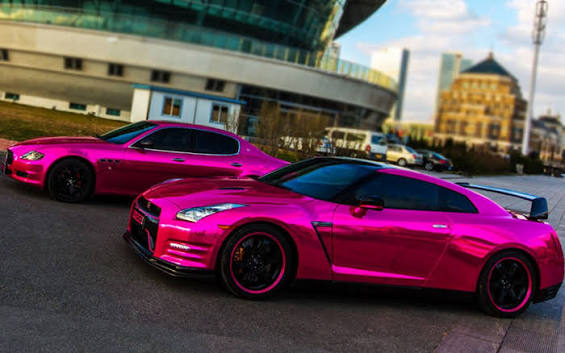
A parked vehicle is usually just that—a vehicle. But add a well-planned design, a memorable logo and the right finish, and suddenly it becomes part of a company’s advertising strategy.
That’s the interesting thing about vehicle wraps. They don’t require someone to click an ad, open an app or stop what they’re doing. The message simply travels with the vehicle. A wrapped van heading to a customer’s home can be seen by neighbors. A branded truck sitting at a busy intersection can catch the attention of passing drivers. It’s marketing that happens almost in the background of everyday life.
Still, getting a great result isn’t as simple as choosing a picture and printing it on vinyl. Design, materials, installation and maintenance all matter.
Start With a Design That Says Something
The best vehicle graphics usually communicate a business quickly.
Think about a plumber’s van. If you see the company name, plumbing service, phone number and a clean visual identity within a couple of seconds, you already know what the business does. That’s effective.
If the van is covered with tiny text, too many graphics and six different colors, the message becomes harder to understand.
Good design doesn’t mean boring design. It means knowing what deserves attention.
Businesses should identify their most important information before creating artwork. Usually, that includes the company name, logo, primary service and a simple way to get in touch.
Everything else is secondary.
Custom Graphics Give Brands More Personality
A major advantage of vehicle advertising is the freedom to create something specific to the business.
Custom graphics can include illustrations, patterns, product imagery, slogans, photographs or unique visual elements that aren’t available in generic templates. A landscaping company might use natural textures and garden imagery. A bakery could use appetizing product photographs. A technology company may prefer a clean, modern aesthetic.
The design should feel connected to the business.
That’s important because people don’t just remember names. They remember colors, shapes and visual impressions too. A distinctive vehicle can become recognizable even before someone reads the company name.
Consider the Vehicle Shape Before Printing
A vehicle isn’t a flat billboard.
Doors open. Handles interrupt artwork. Windows, seams, mirrors and wheel arches can all affect how graphics appear. Curved panels can also distort images if the artwork hasn’t been planned correctly.
A professional designer should work with an accurate vehicle template whenever possible. This makes it easier to position logos and text where they will remain readable.
It’s also worth looking at the vehicle from different angles. The side may be the main advertising surface, but the rear can be especially valuable because other drivers may sit behind it in traffic for several minutes.
That’s a lot of potential viewing time.
Choosing the Right Vinyl
Not all vinyl is made for the same job.
A vehicle operating outdoors every day needs material capable of handling sunlight, rain, road dust and temperature changes. The intended lifespan also matters. A short-term promotional vehicle may not need the same material as a company van expected to carry branding for several years.
Businesses should ask about durability, finish, warranty and maintenance requirements before choosing a product.
Gloss finishes create a bright, polished appearance. Matte can look more understated. Satin sits somewhere between the two. There are also textured and specialty options for brands that want something a little different.
The right choice depends on the vehicle, the design and how it will be used.
Specialty Films Can Change the Look Completely
Sometimes standard vinyl doesn’t quite deliver the visual effect a business wants.
That’s where specialty films can be interesting. Depending on the product, they may offer textured finishes, unusual colors, reflective properties or other distinctive visual effects.
These materials can help a vehicle stand out, particularly in industries where appearance and creativity are important.
But there is a fine line between memorable and overwhelming. A specialty finish should support the brand rather than become the entire message.
A subtle texture or unique accent may actually create more impact than covering every surface with something dramatic.
Installation Is Where Design Becomes Reality
A great design can still be ruined by poor installation.
The vehicle surface needs to be properly cleaned and prepared before vinyl is applied. Installers must work carefully around curves, edges, seams and recessed areas.
Air bubbles, wrinkles and poorly finished edges can make a wrap look amateurish. Worse, they may affect durability.
Professional installers understand how the material behaves and can adjust their technique depending on the surface and conditions.
It might take a little longer, but careful installation is usually worth it.
Maintenance Shouldn’t Be Ignored
Once the wrap is installed, regular care can help keep it looking good.
Washing removes dirt and road grime that can gradually dull the finish. However, harsh chemicals, abrasive brushes and unsuitable pressure-washing techniques may damage certain materials.
Following the vinyl manufacturer’s cleaning recommendations is a smart habit.
It’s also helpful to deal with things such as bird droppings, tree sap and spilled substances relatively quickly. Leaving contaminants on the surface for long periods isn’t ideal for the finish.
You don’t need to baby the vehicle. Just treat the wrap with reasonable care.
Wraps Can Support a Wider Marketing Strategy
Vehicle branding works particularly well when it connects with other marketing channels.
A company might use the same logo, colors and visual style on its website, social media pages, business cards, uniforms and vehicles. When customers encounter those elements repeatedly, the brand becomes easier to recognize.
A QR code can also connect physical advertising with digital content, provided it’s large enough to scan and positioned where people can safely interact with it.
The goal isn’t to turn the vehicle into a complicated marketing brochure. It should simply create a memorable bridge between the physical and digital brand.
Think About Long-Term Value
A vehicle wrap isn’t an instant sales machine. It won’t guarantee new customers just because a van looks good.
But it can create repeated exposure.
A service company might drive through the same neighborhoods every week. A delivery business may visit dozens of locations every day. Over time, those impressions can add up.
And unlike a temporary online ad, the vehicle continues advertising while the business is doing its normal work.
That makes the wrap an interesting long-term marketing asset.
A Moving Brand With a Real-World Presence
The strongest vehicle graphics combine practicality with personality.
They make the business name easy to remember, communicate the main service clearly and use materials that can survive everyday conditions. More importantly, they look intentional.
A well-designed vehicle doesn’t need to shout. It just needs to make people look twice and remember what they saw.
When thoughtful design, quality vinyl and careful installation come together, an ordinary vehicle can become something much more useful—a moving extension of the brand that keeps working wherever the road takes it.