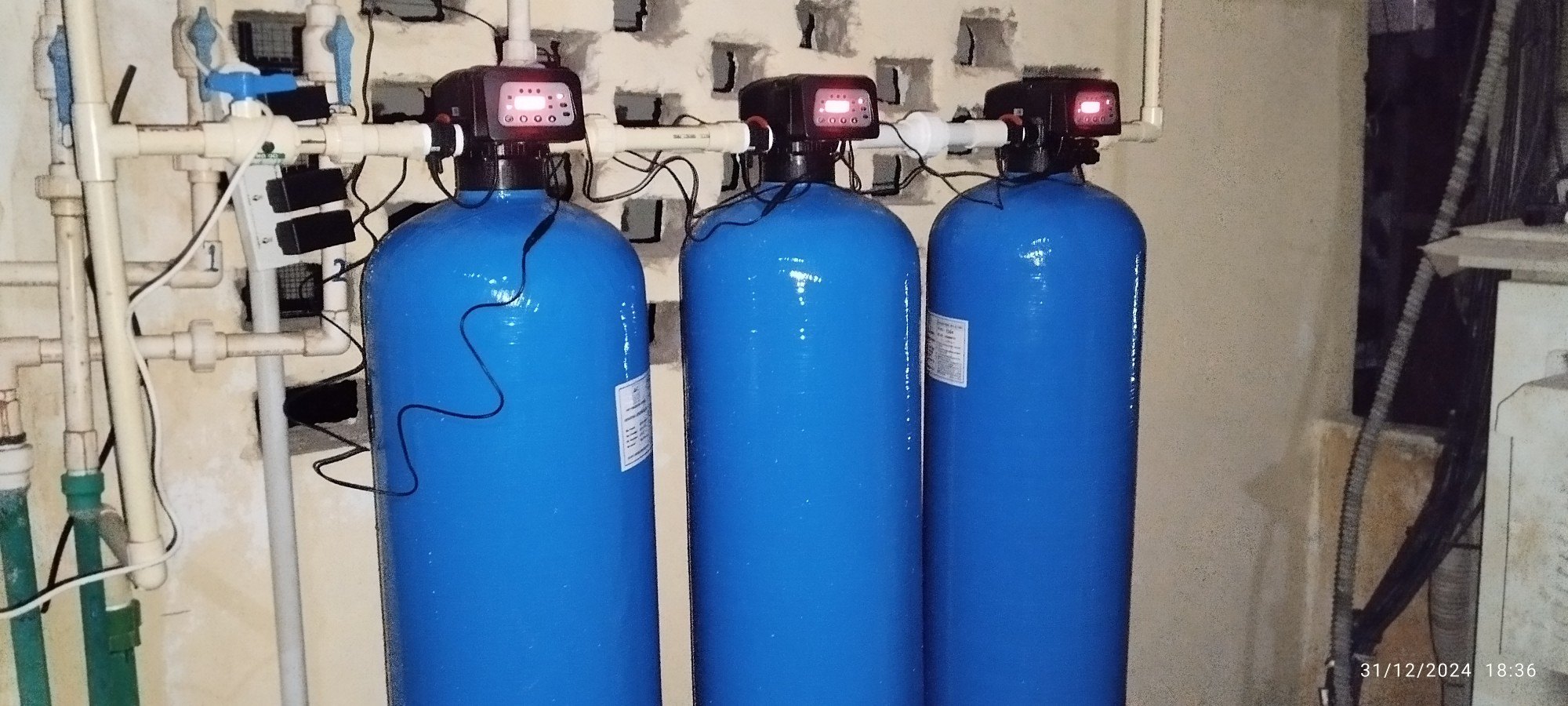
For homeowners who rely on private wells, water quality is something that deserves more attention than it often gets. Unlike municipal water users, well owners are responsible for understanding their water source, arranging testing, and maintaining the equipment that brings water into the house. When everything works properly, it’s easy to forget about it. When it doesn’t, the signs can show up everywhere—from stained sinks to unpleasant odors and laundry that never seems quite clean.
The good news is that managing household water doesn’t have to become a complicated chore. With the right treatment equipment, a suitable softening system, and a few practical monitoring habits, homeowners can make their water more reliable and easier to manage.
Why Private Well Water Needs Special Attention
Well water comes from underground sources, and its quality depends on the surrounding soil, rock formations, water table, and nearby land activity. Some wells produce excellent water naturally, while others may contain elevated levels of iron, manganese, sulfur, sediment, hardness minerals, or microorganisms.
These issues are not always visible. Water can look clear and still contain substances that affect taste, plumbing, or safety. A rotten-egg smell, for example, may be associated with hydrogen sulfide, while orange or reddish stains can point to iron. Cloudy water may indicate sediment, air, or another issue that requires testing.
This is why well water treatment should begin with a water analysis rather than a guess. Testing helps identify what is actually present and prevents homeowners from purchasing a system that treats the wrong problem.
Start With Regular Water Testing
Private well owners should test their water regularly and whenever there is a noticeable change in taste, odor, color, or appearance. Testing may also be necessary after flooding, well repairs, nearby construction, or other events that could affect the groundwater supply.
Basic testing often includes bacteria, pH, hardness, iron, manganese, and other common indicators. Depending on the location and possible sources of contamination, additional tests may be recommended.
A professional water specialist can help interpret the results. A report full of numbers may not mean much to the average homeowner, especially when several values interact with one another. The important thing is to understand which issues require treatment and which are simply characteristics of the water.
Testing should also be repeated after installing a treatment system when appropriate. This confirms whether the equipment is performing as expected.
Understanding Hard Water and Its Effects
Hard water contains minerals such as calcium and magnesium. These minerals are naturally occurring and generally aren’t considered dangerous, but they can create plenty of household frustration.
Hard water may leave white scale on faucets, shower doors, and appliances. It can reduce soap lather, make cleaning more difficult, and contribute to mineral buildup inside water heaters and plumbing fixtures. Over time, these deposits may affect efficiency and increase maintenance needs.
Laundry is another area where hard water becomes noticeable. Clothes may feel stiff, look dull, or hold onto detergent residue. Towels can lose their softness, and white fabrics may appear less bright than expected.
How a Laundry Water Softener Can Help
A laundry water softener can be useful in homes where hard water is affecting washing results. In many cases, the softener is part of a whole-house system that reduces hardness before water reaches washing machines, showers, sinks, and other fixtures.
Softer water allows soap and detergent to work more effectively. This may help reduce residue, improve fabric feel, and make it easier to rinse clothes thoroughly. It can also reduce the amount of detergent needed, although the correct amount still depends on the washing machine, load size, and detergent instructions.
It’s worth noting that a softener does not remove every possible water contaminant. Its main job is to reduce hardness minerals. If the water also contains iron, sulfur, sediment, or bacteria, additional treatment may be required.
Homeowners should also consider the system’s capacity. A unit that is too small may regenerate too frequently, while an oversized system may cost more than necessary. Water usage, household size, and hardness levels should all be considered before installation.
Beyond Softening: Treating Other Well Water Concerns
Water softening is only one part of a complete well water strategy. Different problems require different technologies.
Sediment filters can help reduce sand, silt, and other particles. Iron filters may address staining and metallic taste. Sulfur treatment systems can help manage unpleasant odors. Carbon filtration may improve taste and reduce certain organic compounds or chlorine-like odors, depending on the water source.
For microbial concerns, ultraviolet treatment may be considered. UV systems use light to inactivate certain microorganisms, but they work best when the water is clear and properly pre-filtered. They do not remove hardness, chemicals, or sediment.
Reverse osmosis systems are often installed at a kitchen sink to provide additional treatment for drinking and cooking water. The right combination depends on test results and household priorities. Installing every available technology is rarely necessary and can make maintenance unnecessarily expensive.
The Value of Water Monitoring and Smart Systems
Traditional water treatment systems often operate quietly in the background. They may do their job well, but homeowners might not know when salt levels are low, flow patterns change, or a filter needs attention. Modern technology is beginning to make this process more visible.
water monitoring / smart systems can provide useful information about water usage, system performance, leaks, pressure changes, and maintenance needs. Depending on the product, homeowners may receive alerts through a mobile app or a connected control panel.
Smart monitoring can be especially helpful for larger homes, vacation properties, or households where water equipment is installed in a basement, garage, or utility room that isn’t checked every day. An alert about unusual water flow could help identify a leak before it causes major damage.
Still, smart features should be viewed as a helpful layer—not a replacement for testing or professional maintenance. Technology can notify homeowners that something appears unusual, but it may not explain the underlying cause.
Maintenance Should Be Part of the Plan
Water treatment equipment needs regular attention. Filters must be replaced, salt tanks may need refilling, control settings should be checked, and UV lamps require scheduled replacement. Neglecting these tasks can reduce system performance and may allow the original water problem to return.
Homeowners should ask about maintenance before purchasing equipment. Find out how often filters need changing, whether replacement parts are readily available, and whether professional service is required. A system that looks affordable at installation may become costly if its ongoing maintenance is difficult or unpredictable.
Keeping a written or digital record of testing, repairs, filter changes, and service visits can make the entire process easier. It also helps homeowners notice patterns, such as seasonal changes in water quality or repeated pressure issues.
Making Water Management Easier
Managing well water is not about chasing perfect water or buying the most advanced equipment available. It’s about understanding the water source and selecting treatment that addresses real household needs.
Testing provides the foundation. Softening can help with hardness-related problems, especially laundry and appliance scale. Additional filtration or disinfection may be appropriate for other concerns. Smart monitoring can then add another layer of convenience by helping homeowners stay aware of system performance and unusual water activity.
A thoughtful approach saves money, reduces guesswork, and makes everyday routines more comfortable. When water treatment is properly matched to the property and maintained consistently, homeowners can spend less time worrying about what comes from the tap—and more time simply using it with confidence.