
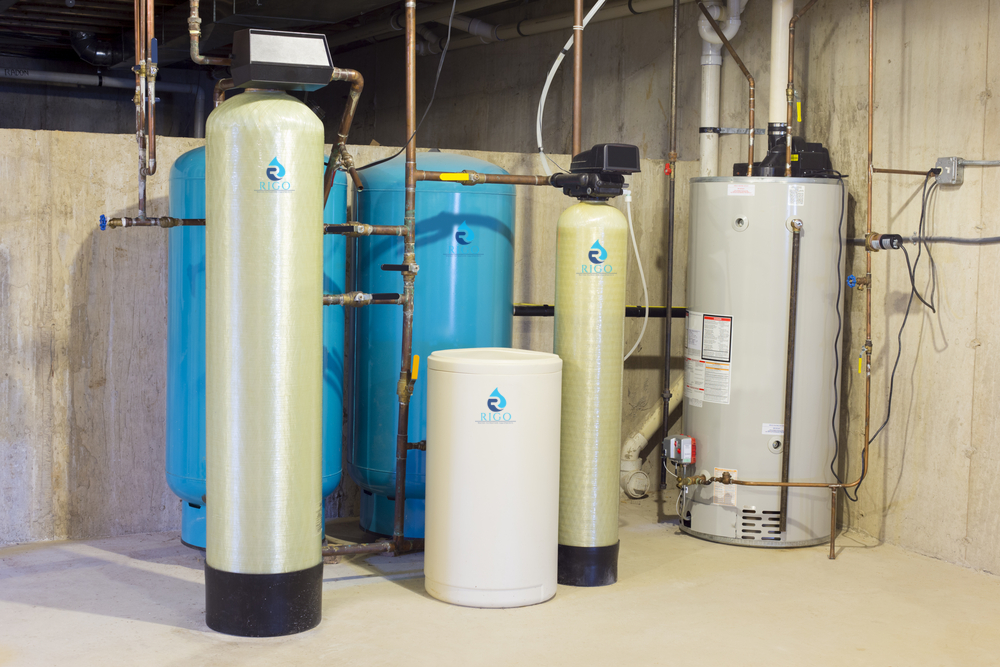
Water quality can have a bigger impact on daily operations than many people realize. At home, hard water might leave stubborn marks on bathroom fixtures or shorten the life of a water-using appliance. In a restaurant, mineral buildup can affect equipment performance and cleaning routines. On a farm, water quality may influence livestock care, irrigation, and the reliability of essential systems.
These challenges may look different, but they share one important detail: the right solution begins with understanding the water itself. Buying equipment without knowing what needs to be treated can waste money and leave the original problem untouched. Whether you’re managing a commercial property, maintaining a private well, or looking for better water throughout your home, a thoughtful approach can make a real difference.
Water Quality Is About More Than Appearance
Clear water isn’t necessarily problem-free. Dissolved minerals, certain metals, microorganisms, and other substances may be present without making water look unusual. Meanwhile, harmless aesthetic issues, such as hardness or an unpleasant taste, can still affect comfort and day-to-day operations.
The first step is to identify the source of the water and understand its characteristics. Municipal supplies are generally monitored under applicable drinking water regulations, but homeowners and businesses may still experience concerns related to plumbing, taste, odors, or particular treatment needs. Private wells require a different approach because the quality of groundwater can change with weather, land use, nearby activities, and the condition of the well itself.
Testing helps replace guesswork with useful information. Depending on the source and the suspected issue, testing may cover hardness, pH, iron, manganese, dissolved solids, bacteria, nitrates, or other substances. The appropriate selection depends on local conditions and the intended use of the water.
For businesses, testing can also help determine whether a water quality issue is affecting equipment, product consistency, cleaning, or operating costs. A reliable assessment gives you a better basis for choosing treatment equipment and evaluating whether it is working as intended.
Managing Hard Water in Commercial Properties
Hard water is a common concern in facilities that use substantial amounts of water. Hotels, laundries, restaurants, fitness centers, and manufacturing sites may experience mineral deposits on heating elements, fixtures, and other water-contact surfaces. Over time, scale can contribute to maintenance demands and reduce heat transfer efficiency in certain equipment.
In these settings, commercial water softeners may help control calcium and magnesium, the minerals responsible for conventional water hardness. Most salt-based systems use ion exchange to replace hardness minerals with sodium or potassium ions. This can reduce scale formation and make cleaning easier, although the results depend on system design and operating conditions.
Selecting a commercial softener involves more than choosing a model from a catalog. Water hardness, peak flow rates, daily consumption, regeneration frequency, and available space all matter. A unit that works well for a small office may be inadequate for a busy hotel or industrial facility.
It’s also important to consider what happens during regeneration. Depending on the equipment, this process may require salt, water, drainage, and appropriate scheduling. The system should be designed around the property’s operating hours so that treatment remains dependable when demand is highest.
Softening does not remove every contaminant, and it isn’t always the best answer for every application. Testing and a clear understanding of the problem should guide the decision.
Reverse Osmosis for Specific Water Needs
Some commercial operations need more than hardness control. Food preparation, beverage production, laboratories, and certain manufacturing processes may require water with particular dissolved mineral levels or other defined characteristics.
Commercial reverse osmosis systems use a semipermeable membrane to reduce many dissolved substances. Depending on the equipment and operating conditions, reverse osmosis may be suitable for reducing salts and other dissolved constituents when the application requires it. The precise performance varies by membrane, incoming water quality, pressure, temperature, and system configuration.
Before choosing a system, consider the required water quality at the point of use. A restaurant making coffee and preparing food may have different needs from a facility using water as part of a manufacturing process. In some applications, pretreatment is necessary to control sediment, hardness, or other substances that could damage or foul the membrane.
Operating costs deserve attention as well. Reverse osmosis systems require energy and routine maintenance, and many designs produce a concentrate stream that must be managed appropriately. Membrane replacement, pretreatment filters, cleaning, and water recovery all influence the total cost of operation.
A qualified water treatment professional can help assess these factors and determine whether reverse osmosis is appropriate. The objective isn’t to produce the purest water possible regardless of expense; it’s to deliver water that meets the actual needs of the application.
Taking Care of Private Well Water
Private wells can provide a valuable water source, particularly in rural areas, but their owners have a greater responsibility for monitoring water quality. Unlike many public water systems, private wells generally aren’t covered by the same routine regulatory monitoring requirements. Testing is therefore essential.
Effective well water treatment begins with a suitable laboratory test and an understanding of the property’s water supply. Depending on local geology and land use, well water may contain elevated iron, manganese, hardness minerals, nitrates, arsenic, or microorganisms. Not every well has the same issues, so a treatment system should never be selected solely because a neighbor uses one.
Different problems call for different approaches. Sediment filtration may help remove suspended particles, while specialized filters can target particular dissolved substances. Disinfection systems may be appropriate for microbial concerns, but the choice and design depend on test results and the well’s condition. Some properties need a combination of treatment stages rather than one piece of equipment.
The well itself also deserves regular attention. Inspect the well cap and surrounding area for damage, drainage problems, or other potential contamination pathways. After flooding, repairs, or changes in water quality, additional testing may be advisable. If results indicate a health-related concern, follow local health department recommendations and use an alternative safe water source when necessary.
Installation and Maintenance Should Be Planned Early
Good equipment is only part of a dependable treatment setup. Installation must account for plumbing connections, water pressure, flow requirements, drainage, and access for maintenance. Commercial sites may also need to consider business continuity, since treatment equipment cannot always be taken offline without affecting operations.
Before approving a project, request a clear proposal describing the recommended equipment, installation work, ongoing consumables, and expected service requirements. Ask what performance results the system is designed to achieve and how those results will be verified.
Maintenance should be included in the operating plan from day one. Filters need replacing, softeners may require salt, and reverse osmosis systems need periodic inspection and membrane care. Keeping service records can help identify recurring issues and make future budgeting more predictable.
If water quality suddenly changes, don’t assume the treatment system is automatically at fault. The incoming supply, plumbing, or source conditions may have changed. Retesting can help distinguish between these possibilities and prevent unnecessary repairs.
Make Water Quality a Practical Investment
Reliable water treatment isn’t simply about purchasing equipment. It’s about understanding your water, selecting a suitable technology, and maintaining it so it continues to perform as expected.
For a business, the right setup may help reduce scale-related maintenance and support consistent operations. For a private well owner, appropriate testing and treatment can provide a clearer picture of water quality and help address identified risks. In either case, careful planning is usually more valuable than choosing equipment based on price alone.
Start with reliable test results, ask questions, and compare recommendations against your actual requirements. Consider operating costs as carefully as installation costs, and make sure the provider explains the system’s limitations as well as its benefits.
Water quality can influence comfort, equipment reliability, and everyday decisions in ways that are easy to overlook. With a sensible plan and the right professional guidance, you can make informed choices that serve your property well for years to come.
