
Most of us don’t think twice about the water we use every day. We fill a glass, rinse vegetables, make tea, and get on with our morning. It’s only when the water starts tasting unusual, leaves chalky marks on the kettle, or raises questions about its quality that we stop and wonder whether our household needs a better solution.
Choosing the right filtration equipment can make everyday life more convenient, but the process isn’t always straightforward. There are different technologies, a wide range of prices, and plenty of bold promises on product packaging. Some systems are genuinely useful, while others may offer features your household doesn’t need.
The sensible approach is to understand your water first, then choose equipment that addresses the actual problem. It might sound obvious, but this simple step can save money and help you avoid unnecessary complications later.
Start by Understanding Your Water
Before shopping for filters, take a closer look at where your water comes from. Municipal supplies generally undergo treatment before distribution, while private wells rely on local groundwater conditions and may require more frequent testing. In either case, water quality can vary depending on the location, plumbing, and storage arrangements.
For example, a household might receive water that meets local safety standards but still notice a strong chlorine taste. Another home may struggle with hard water, which leaves white deposits on taps and makes cleaning shower screens a regular chore. These are different problems, and they don’t necessarily require the same treatment.
Changes in colour, smell, or taste are worth investigating, especially if they happen suddenly. However, water that looks perfectly clear isn’t automatically free from harmful substances. Certain contaminants cannot be seen, smelled, or tasted, which is why testing can be more useful than relying on appearance alone.
If you’re unsure about your water quality, check with your local supplier or arrange suitable testing through a qualified laboratory. The results can help you identify what needs attention before you spend money on equipment.
What Does a Filtration System Actually Do?
A water filtration system is designed to reduce particular unwanted substances as water passes through one or more treatment stages. The exact results depend on the technology, the filter materials, and how the equipment is installed and maintained.
Activated carbon filters, for instance, are commonly used to improve taste and odour by reducing chlorine and certain organic compounds. Sediment filters capture suspended particles such as sand, rust, and other debris. These options can be practical for households dealing with specific aesthetic issues.
Other systems are designed for more specialised concerns. Water softeners reduce hardness minerals, helping limit scale buildup in appliances and plumbing. Ultraviolet treatment can inactivate many microorganisms when the equipment is correctly selected and operated, but it doesn’t remove dissolved salts or particles.
There’s an important distinction here: no single filter removes every possible contaminant. A product that improves taste may not address heavy metals, while a sediment filter won’t necessarily remove dissolved chemicals. Always check which substances a product has been independently tested to reduce.
When Reverse Osmosis Makes Sense
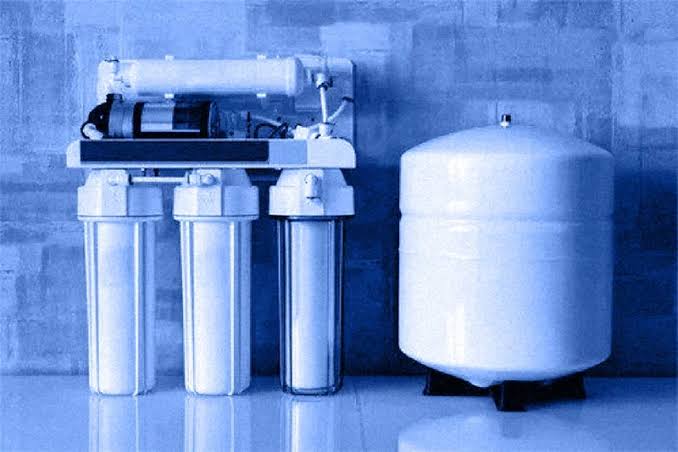
For some households, a reverse osmosis system may be worth considering. It uses pressure to push water through a specialised semipermeable membrane, reducing many dissolved substances that ordinary sediment or carbon filters may not remove effectively.
A reverse osmosis drinking water system is often installed beneath the kitchen sink, providing treated water through a separate tap. Depending on its design and performance, it may reduce substances such as certain dissolved salts, lead, nitrates, and other contaminants. The actual results vary, so it’s essential to review the system’s certification and contaminant-specific performance claims.
These systems can be helpful when water testing identifies dissolved substances that reverse osmosis is designed to reduce. They’re also popular among people who prefer a particular taste or want a dedicated treatment unit for cooking and drinking.
Still, there are trade-offs. Reverse osmosis systems usually send some water to a drain during operation, although newer models can be more efficient than older designs. Filters require replacement, membranes need eventual servicing, and the installation must suit your water pressure and available space.
Reverse osmosis also removes many naturally occurring minerals. Some systems include a remineralisation stage to adjust taste, but whether that feature is useful depends on the water and the household’s preferences. The goal isn’t to buy the system with the most stages; it’s to choose one that solves the problem you’re trying to fix.
Look Beyond the Initial Price
It’s easy to compare filtration products by their purchase price alone. A cheaper unit may seem like the obvious winner, particularly when several models appear to offer similar features. But the initial cost tells only part of the story.
Consider how often the filters need changing and how much replacement cartridges cost. Check whether the parts are readily available, whether professional installation is required, and whether the manufacturer provides clear maintenance instructions. A system that’s inexpensive upfront can become frustrating if its replacement filters are difficult to find.
Think about your household’s daily habits, too. A small countertop filter might be perfectly adequate for someone living alone. A larger family that regularly fills bottles, cooks at home, and entertains guests may prefer a system with greater capacity.
It’s also worth checking for independent certification from a recognised organisation. Certification can help verify that a product meets particular performance or material-safety requirements. Just make sure the certification covers the specific reduction claim you’re interested in, rather than assuming it guarantees protection against every contaminant.
Don’t Forget Plumbing and Storage
Even a good filter can’t compensate for every problem that occurs elsewhere in a home. The condition of pipes, fittings, and storage tanks can influence the quality of water reaching the tap.
In some buildings, old plumbing may contribute metals or sediment to the water. Poorly maintained storage tanks can introduce additional concerns, particularly where water is stored for extended periods. If the problem originates in the plumbing, installing a filter without investigating the underlying cause may not be the best long-term solution.
Households using stored water should follow local recommendations for tank inspection and cleaning. If water quality changes noticeably after repairs, flooding, or interruptions to service, seek advice from the supplier or a qualified water professional.
Remember, boiling water isn’t a universal treatment method. It can kill many harmful microorganisms, but it doesn’t remove heavy metals or dissolved salts and may concentrate some contaminants as water evaporates. The correct response depends on what testing reveals.
Keeping Your System Working Properly
Once you’ve installed a filter, regular maintenance becomes part of the routine. Follow the manufacturer’s instructions for replacing cartridges, cleaning components, and checking for leaks. Don’t wait until the water tastes strange before inspecting the equipment.
Filters have limited service lives, and performance can decline when they’re overdue for replacement. Some systems include indicators or reminders, which can be useful if maintenance dates tend to slip your mind. Keep a simple record of servicing so you know when the next replacement is due.
If you’re using a system to address a confirmed health-related concern, consider whether follow-up testing is recommended. It’s a practical way to check that the treatment continues to perform as expected.
A Better Choice Begins With Good Information
Your home’s water supply is part of everyday life, so choosing how to treat it deserves a little thought. Fortunately, you don’t need to become a water-quality expert to make a sensible decision.
Start by understanding the source, investigating any unusual changes, and testing when appropriate. Then compare systems according to their verified performance, maintenance requirements, and total running costs. Be cautious of dramatic claims, and don’t assume that a higher price means better protection.
The best filtration system isn’t necessarily the newest or most complicated one. It’s the one that fits your household, addresses a real concern, and can be maintained properly over time. When you approach the decision with clear information rather than guesswork, safe, pleasant-tasting water becomes a much more manageable part of looking after your home.
