
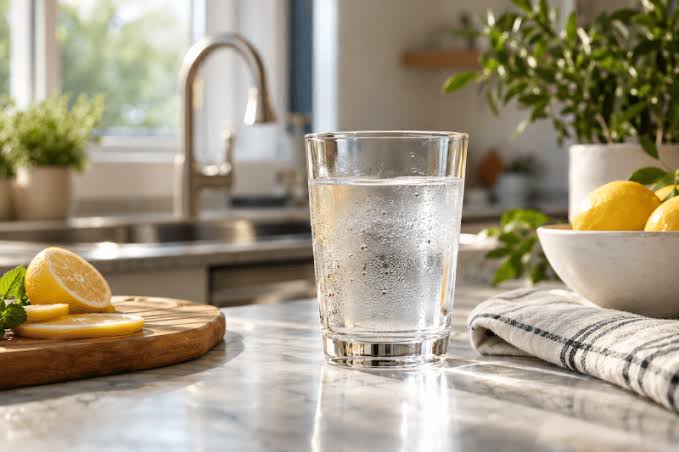
You fill a glass from the kitchen faucet, take a sip, and immediately notice an unusual aftertaste. Perhaps the water looks slightly cloudy, or there’s an unexpected smell that makes you reach for a bottle of packaged drinking water instead.
These experiences can be frustrating, particularly when they interfere with something as simple as preparing coffee or cooking dinner.
Although water quality concerns are relatively common, identifying their underlying causes isn’t always straightforward. Different substances can influence water taste, appearance, and odor, making appropriate testing an important first step.
Kinetico water treatment equipment offers homeowners opportunities to address specific drinking water concerns through suitable filtration technologies. By understanding your existing water conditions and exploring appropriate treatment options, you can make informed decisions that improve everyday convenience and bring greater satisfaction to your household.
Identify the Causes of Unwanted Water Tastes and Smells
Water should complement the flavors of your favorite beverages and meals rather than introduce distracting tastes or odors. Unfortunately, several factors can influence the characteristics of household tap water.
Experiencing an unpleasant taste or odor in tap water may indicate the presence of residual disinfectants, naturally occurring minerals, plumbing-related substances, or other water quality concerns.
Municipal water suppliers commonly use disinfectants to help control harmful microorganisms. While this process serves an important public health purpose, some homeowners dislike the resulting taste or smell.
Properties that rely on private wells may experience different challenges. Elevated iron concentrations can contribute to metallic tastes, while hydrogen sulfide may produce a distinctive rotten-egg odor.
The location of an odor can also provide useful information. If an unpleasant smell occurs exclusively when using hot water, the water heater could be contributing to the problem.
Appropriate filtration technologies may help address selected taste and odor concerns.
Activated carbon filtration can reduce certain disinfectants and unwanted substances, while reverse osmosis technology provides additional reduction of many dissolved substances.
However, sudden or unusual changes in water taste or smell should be investigated before assuming that filtration alone will resolve the issue.
Professional testing helps identify relevant water characteristics and determine which treatment approach would offer meaningful benefits.
Investigate Cloudy Water Before Choosing a Filtration System
Nobody wants to prepare a meal or fill a drinking glass with water that appears unusually cloudy. Although cloudiness doesn’t always indicate dangerous contamination, understanding its cause is essential.
Persistent cloudiness affecting drinking or cooking water may result from suspended particles, mineral-related conditions, or tiny air bubbles temporarily trapped within the water.
An interesting observation involves watching a freshly filled glass for several moments. If the cloudiness gradually disappears from the bottom upward, tiny air bubbles may be responsible.
However, persistent cloudiness or visible sediment deserves further investigation.
Suspended particles can originate from groundwater conditions, deteriorating plumbing, or disturbances within water distribution infrastructure.
Depending on the underlying cause, appropriate treatment may include sediment filtration, specialized filtration media, or complementary drinking water treatment.
Potential advantages of properly selected filtration include:
- Reduced suspended particles in drinking water.
- Improved water clarity and appearance.
- Less particulate accumulation inside faucet aerators.
- More convenient access to filtered cooking water.
- Protection for downstream filtration components.
- Reduced reliance on packaged drinking water.
Nevertheless, filtration cannot repair damaged pipes or malfunctioning well equipment. These underlying problems may require separate professional attention.
It’s equally important to remember that clear water isn’t necessarily safe water. Some potentially harmful contaminants cannot be detected through appearance alone.
Reliable testing helps homeowners distinguish between harmless aesthetic concerns and conditions that require additional investigation.
Understand How Dissolved Substances Influence Drinking Water Quality
Not everything present in your water can be seen with the naked eye. Water naturally interacts with soil, rocks, and plumbing materials, potentially collecting various substances before reaching your kitchen faucet.
Understanding the presence of dissolved minerals or contaminants helps homeowners select treatment technologies that address their specific drinking water concerns rather than relying on conventional filtration alone.
Calcium and magnesium, for example, are naturally occurring minerals primarily responsible for water hardness. Although hardness isn’t generally considered a health hazard, it can contribute to mineral deposits and certain maintenance problems.
Other dissolved substances may influence drinking water taste or require treatment for health-related reasons.
Reverse osmosis technology uses pressure to move water through a semipermeable membrane, reducing many dissolved salts, minerals, and selected contaminants.
Residential systems commonly incorporate preliminary filtration, membrane treatment, and final-stage filtration to address different water characteristics.
Imagine preparing homemade soup, brewing your favorite tea, or filling reusable water bottles with appropriately filtered water readily available from a designated kitchen faucet.
This convenience can make everyday routines more enjoyable.
However, homeowners should understand that total dissolved solids measurements alone cannot establish drinking water safety. These readings don’t identify individual substances or their potential health effects.
When specific contaminants are suspected, appropriate laboratory testing and independently verified filtration capabilities become particularly important.
Choose Water Treatment Technology Based on Your Actual Requirements
Different household water problems require different solutions.
Sediment filtration captures suspended particles, while activated carbon can help reduce selected substances responsible for unwanted tastes and odors.
Conventional water softeners reduce hardness minerals, and reverse osmosis equipment provides additional treatment for many dissolved substances in drinking water.
Some households may benefit from combining complementary technologies, while others require only targeted filtration.
When exploring Kinetico equipment, consider treatment capacity, installation requirements, water efficiency, maintenance accessibility, and independently certified performance claims.
The most suitable arrangement isn’t necessarily the one with the greatest number of filtration stages. It’s the system that effectively addresses your genuine concerns while remaining practical to maintain.
Why Professional Water Testing Should Come First
Purchasing filtration equipment based entirely on unpleasant tastes, odors, or visible cloudiness can lead to unnecessary expenses.
A professional assessment can help investigate selected water characteristics and determine which treatment technologies deserve consideration.
Private well owners should also arrange appropriate laboratory testing for bacteria, nitrates, and other potentially harmful contaminants according to public health recommendations.
If contamination is suspected, follow guidance from your water supplier or local public health authority before using the affected water for drinking or cooking.
Understanding your existing water conditions provides a reliable foundation for informed treatment decisions.
Maintain Your Drinking Water System for Consistent Performance
Even advanced filtration equipment requires periodic attention.
Replace cartridges and membranes according to manufacturer recommendations, follow appropriate sanitation procedures, and monitor unexpected changes in water taste, appearance, or production rate.
Keeping maintenance records and arranging periodic follow-up testing can help preserve treatment effectiveness while making future servicing expenses easier to anticipate.
Enjoy a More Refreshing Drinking Water Experience With Kinetico
Unpleasant tastes, distracting odors, and cloudy water shouldn’t become permanent household frustrations.
Consider consulting a qualified Kinetico water treatment specialist to discuss your existing water conditions and explore suitable filtration equipment.
With reliable testing, thoughtful equipment selection, professional installation, and consistent maintenance, homeowners can address many common drinking water concerns.
From your first morning coffee to preparing dinner for your family, appropriately treated water can make everyday moments more enjoyable while bringing lasting convenience and practical value to your home.
