
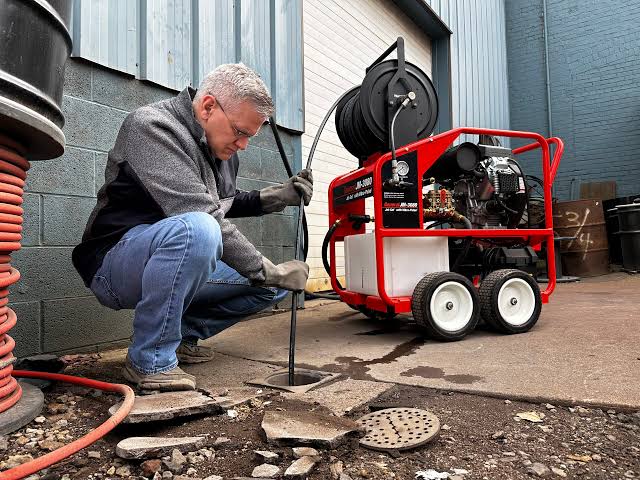
Few household problems are as frustrating as a drain that keeps clogging. You clear it today, water flows normally for a few days, and then suddenly the sink starts draining slowly again. It feels like the problem has been solved, but clearly something is still going on beneath the surface. In many cases, the real issue isn’t a single blockage. It’s the buildup inside the pipes that hasn’t been completely removed.
Over time, grease, soap residue, food particles, hair, and mineral deposits can stick to pipe walls. As these materials accumulate, they gradually reduce the space available for water to flow. That’s why recurring drainage problems often need more than a quick fix.
Why Drain Blockages Keep Returning
A drain can appear clear even when a considerable amount of debris remains inside the pipe. Basic plunging or conventional drain snakes may remove enough material to restore water movement, but they don’t always clean the entire pipe.
Kitchen drains are particularly vulnerable to grease buildup. Even when hot water seems to wash cooking oils away, those oils can cool further down the pipe and become sticky. Bathroom drains have their own problems, with hair, soap scum, and personal care products combining into dense clumps.
When blockages become frequent, homeowners may benefit from professional hydro jet drain cleaning, a specialized method that uses pressurized water to break apart deposits and wash accumulated debris away from the interior pipe walls. It can be a useful option for stubborn clogs, although the plumber should first assess the pipe’s condition.
How High-Pressure Water Cleans Plumbing Pipes
Hydro jetting works by sending water through a specially designed hose and nozzle at controlled pressure. The nozzle directs water into the pipe, helping loosen grease, sludge, sediment, and other materials that restrict drainage.
The technique isn’t simply about forcing water through a blockage. Its purpose is to clean the pipe more thoroughly, including areas where residue has collected along the walls. Depending on the nozzle design, water jets may travel forward to break up debris and backward to help propel the hose through the pipe.
For properties with recurring drainage issues, this deeper cleaning can make a noticeable difference. However, pressure settings need to be appropriate for the plumbing material and condition. Older, cracked, fragile, or heavily corroded pipes may require a different approach.
The Difference Between Drain Cleaning and Sewer Cleaning
Not every clog is located near a sink, shower, or toilet. Sometimes, the problem develops in a larger underground sewer line that carries wastewater away from the property.
This is where drain and sewer hydro jetting can be useful. It helps remove stubborn accumulations from plumbing lines and sewer pipes, including grease deposits, sludge, and certain types of debris. In some situations, properly performed jetting can also help remove small root intrusions, although serious root growth may require additional work.
If multiple fixtures are draining slowly at the same time, or wastewater begins backing up into lower drains, the main sewer line could be involved. A camera inspection can help identify the location and nature of the problem before cleaning begins.
When Hydro Jetting Makes Sense
Hydro jetting is often considered when traditional drain cleaning methods aren’t providing lasting results. Restaurants, commercial kitchens, apartment buildings, and busy households may experience recurring blockages because their drainage systems handle large amounts of waste every day.
It’s also useful when thick grease or mineral deposits have accumulated inside a pipe, leaving little room for wastewater to move freely. A professional plumber can determine whether hydro jetting for clogged drain lines is an appropriate solution after inspecting the affected section.
That inspection matters. High-pressure water cleaning isn’t suitable for every plumbing system, particularly when pipes are damaged or weakened. Sometimes repairing a pipe first is the better choice.
What to Expect During a Professional Service
A proper drain cleaning visit usually begins with a discussion about the symptoms. The plumber may ask how long the problem has been happening, which fixtures are affected, and whether you’ve noticed unusual smells or gurgling sounds.
If necessary, a drain camera is used to inspect the pipe’s interior. Once the blockage is identified, the technician chooses the correct equipment and pressure settings, performs the cleaning, and checks whether water is flowing normally afterward.
A good service provider will also explain what caused the blockage and offer practical advice to reduce the chances of another one developing.
Small Habits That Help Prevent Clogs
Even after thorough cleaning, daily habits matter. Avoid pouring grease or cooking oil into the kitchen sink, use drain covers to catch hair, and don’t flush wipes or other materials that aren’t designed to break down in water.
Pay attention to early warning signs, too. Slow drainage, bubbling sounds, unpleasant odors, and repeated clogs are often the plumbing system’s way of telling you something isn’t right.
Keeping Your Drains Clear for the Long Run
Drain problems don’t always require major repairs, but recurring blockages shouldn’t be ignored. Addressing the underlying buildup can help improve water flow, reduce unpleasant backups, and make everyday plumbing more dependable.
With the right inspection, professional cleaning, and a few sensible preventive habits, you can keep your drainage system working smoothly without constantly dealing with the same frustrating problem.
