
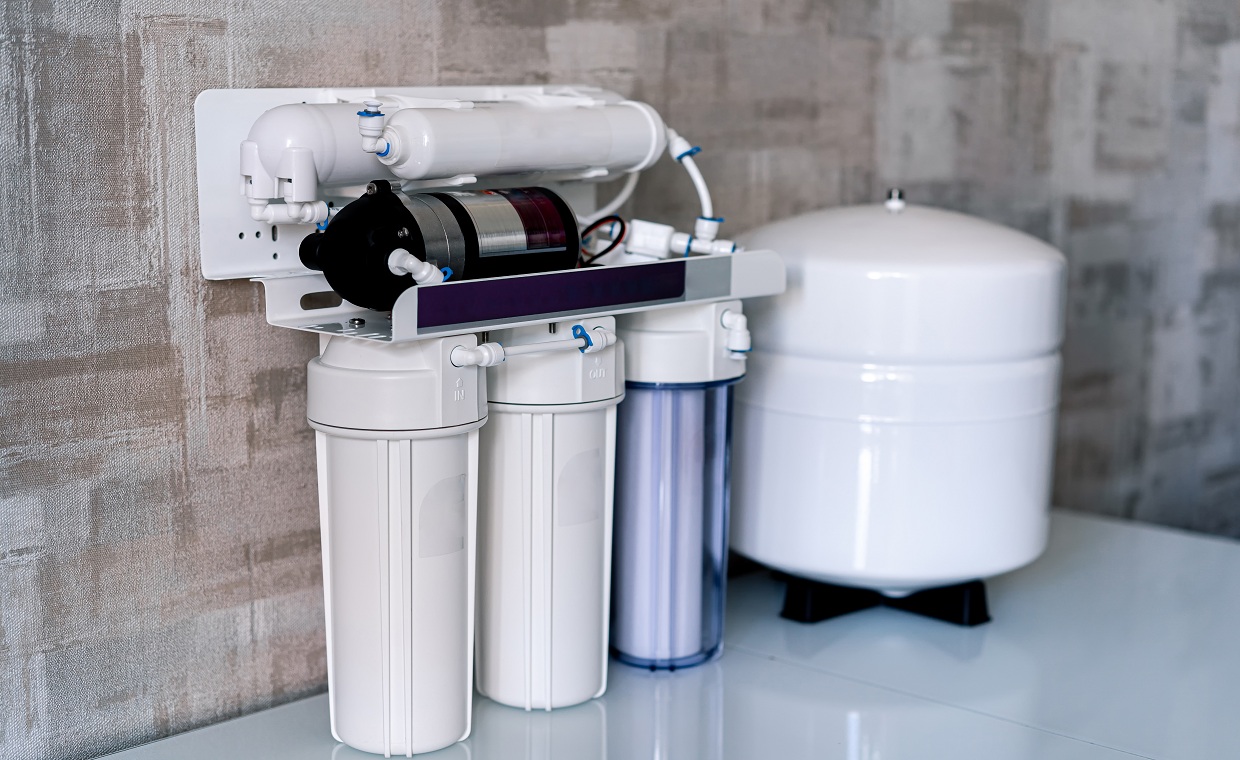
Walk through your home on an ordinary morning, and you’ll probably find water being used in several places at once. Someone’s taking a shower, the washing machine is running, and the kettle is heating up in the kitchen.
We depend on water constantly, yet most of us only pay attention to its quality when something goes wrong.
Perhaps you’ve noticed unpleasant odors coming from the bathroom faucet or tiny particles collecting inside your drinking glasses. You might even be tired of removing mineral deposits from surfaces that never seem to stay clean.
Rather than dealing with these problems individually, treating water before it travels through your household plumbing can be a more practical approach.
For Dayton homeowners, centralized treatment offers an opportunity to improve several aspects of household water quality without installing separate equipment in every room.
Why the Main Water Supply Is a Good Place to Start
Most residential properties receive water through a main supply line before it branches out toward individual fixtures and appliances. This creates a convenient location for installing centralized treatment equipment.
Choosing water treatment at the point of entry allows homeowners to address selected water quality concerns before incoming water reaches connected plumbing throughout the property.
Unlike a countertop filter or a dedicated drinking water system, centralized equipment can serve multiple household outlets.
Imagine discovering sediment inside faucet aerators in both your kitchen and bathroom. Instead of repeatedly cleaning each fixture, an appropriately selected filtration system could help capture suspended particles earlier in the process.
Depending on your water conditions, centralized treatment may involve sediment filtration, activated carbon, conventional softening, or specialized treatment media.
The important thing is identifying which substances need attention.
Installing equipment without understanding your water supply is rather like buying medicine without knowing what’s wrong. You might address one symptom while overlooking the underlying problem.
Different Filtration Technologies Serve Different Purposes
Water quality concerns aren’t always visible. Sometimes, water looks perfectly clear but has an unpleasant taste. Other times, suspended particles or discoloration make the problem immediately noticeable.
Appropriately selected point-of-entry water filtration solutions can help address these concerns using treatment technologies designed for particular water characteristics.
Sediment filtration, for example, physically captures suspended particles such as sand, rust, and dirt. Activated carbon filtration works differently, helping reduce selected dissolved compounds through adsorption.
Other treatment technologies may be appropriate when homeowners experience more specialized problems.
Common treatment approaches include:
- Sediment filtration for suspended particles and debris.
- Activated carbon treatment for selected unwanted tastes and odors.
- Conventional water softening for excessive calcium and magnesium concentrations.
- Specialized filtration for certain iron and manganese concerns.
- Appropriate disinfection equipment when microbial treatment is necessary.
These technologies can complement one another, but not every property requires every treatment stage.
A household primarily concerned about suspended particles might need a relatively straightforward filtration arrangement. Another home could benefit from several carefully selected components.
Reliable testing helps determine which combination makes sense.
Find a System That Can Keep Up With Your Household
There’s little point in installing filtration equipment that improves water quality but struggles whenever several faucets are running simultaneously.
When comparing whole-home water filter systems, homeowners should consider peak water consumption, incoming water pressure, available installation space, and measured water conditions.
A large family with multiple bathrooms may require considerably more filtration capacity than a smaller household.
Think about those particularly busy mornings when everyone seems to need water at the same time. An undersized system could introduce unnecessary pressure restrictions and disrupt ordinary routines.
Filter design also deserves consideration. Cartridge-based systems generally require periodic replacement, while certain backwashing filters clean their media automatically at scheduled intervals or according to operating requirements.
Each arrangement has advantages and maintenance considerations.
Before purchasing equipment, ask about expected media lifespan, servicing requirements, replacement expenses, and verified contaminant reduction capabilities.
A good system should quietly do its job without becoming another demanding household responsibility.
Don’t Confuse Clear Water With Safe Drinking Water
One common misunderstanding is that water must be safe simply because it looks clean and tastes pleasant.
Unfortunately, certain potentially harmful contaminants don’t produce noticeable changes in appearance, taste, or smell.
Municipal water customers can review their utility’s water quality reports and arrange additional testing for property-specific concerns when appropriate.
Private well owners should arrange suitable laboratory testing for bacteria, nitrates, and other potentially harmful contaminants according to public health recommendations.
Basic sediment and carbon filtration cannot address every possible water safety concern.
Depending on the findings, specialized treatment or dedicated reverse osmosis equipment for drinking water may be worth considering.
Plan for Maintenance Before Installation
Water filtration equipment represents an ongoing investment rather than a one-time purchase.
Sediment filters gradually accumulate particles, and activated carbon eventually loses its treatment capacity. Other treatment components may require regeneration, cleaning, or periodic replacement.
Ask about anticipated operating expenses before committing to a particular system. Make sure there’s enough space around the equipment for servicing, too.
Keeping maintenance records and arranging periodic performance checks can help preserve treatment effectiveness and identify potential problems early.
Bring Better Water Into Your Dayton Home
Dayton homeowners interested in improving their household water can contact Total H2O Systems to discuss available testing, filtration equipment, and suitable installation arrangements.
Start by understanding your water conditions rather than purchasing equipment based on guesswork. Choose technologies that address genuine concerns and fit comfortably within your household budget.
Because better water isn’t just about what comes out of the kitchen faucet. It’s about making everyday activities more enjoyable, looking after valuable household equipment, and spending less time dealing with recurring water-related frustrations.
Sometimes, the most worthwhile improvements begin in places we rarely think about, including the very spot where water enters our homes.
